

For a Mount Nun expedition, we recommend planning within mid-July to mid-September. That is the climbing window we use at Kailasa Treks & Expeditions.
It gives you a starting point for choosing dates. The next thing to check is how much flexibility the programme allows once you reach the mountain.
You could arrive in August, complete your rotations and feel ready to climb, then have fresh snowfall delay the next move. Your departure falls within the recommended season. The conditions still need to work.
So when choosing the best time to climb Mount Nun, look at the month, the route information available for that departure and the time the team has to adjust.
When is the best time to climb Mount Nun?
Our recommended window runs from mid-July to mid-September. Within it, teams need time for the approach, base camp setup, acclimatization rotations, route preparation and a possible summit attempt.
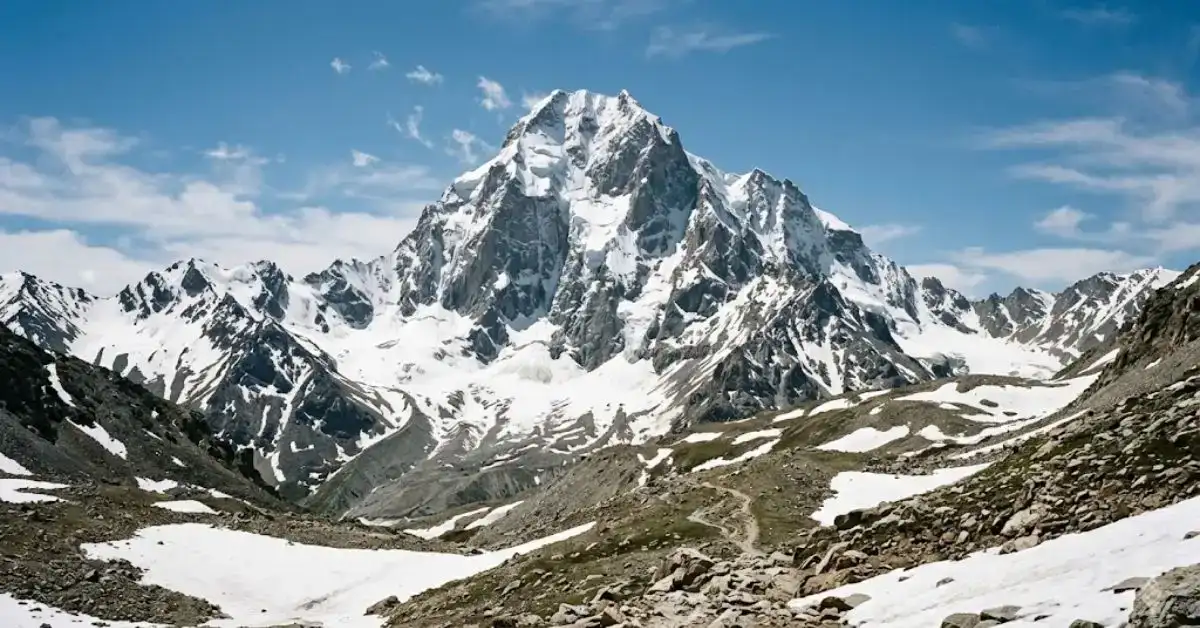
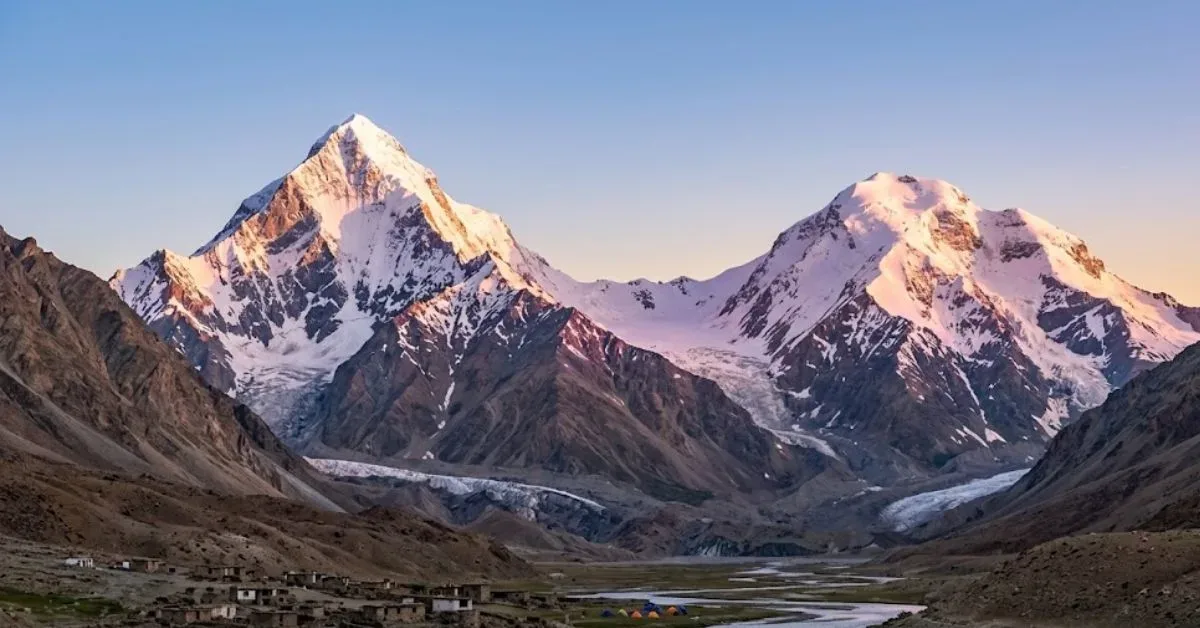
Mount Nun rises to 7,135 metres above the Suru Valley in Ladakh. The Kargil district’s Suru Valley information identifies the peak and the Tangol area’s connection to Nun–Kun expeditions.
Conditions at that height can change during any departure. Strong winds, snowfall, poor visibility and very low temperatures can interrupt movement even when the expedition is running within its planned season.
There is no reliable way to turn the calendar alone into a promise about summit conditions.
| Period within our planning window | What to consider before choosing dates |
| Mid-July onward | Ask about the current approach, snow cover and route-preparation plan. An earlier departure still needs conditions checked on the ground. |
| August | Allow room for snowfall, wind and delays. Being in the middle of the climbing window does not secure a summit day. |
| Early to mid-September | Ask for recent glacier and route observations. Some sections may have more exposed crevasses later in the season, depending on that year’s conditions. |
This is a planning comparison. It does not rank the months by safety or predict the weather for a particular week.
The useful follow-up is whether the proposed dates leave enough time for the expedition you are actually joining.
A climbing season and a summit window mean different things
The climbing season is the broad period used to plan an expedition. A summit window is a shorter opportunity within that programme when weather, route conditions and the team’s readiness allow an attempt.
Several things have to come together.
The route needs to be assessed and prepared. The team needs to be acclimatized sufficiently for the planned movement. Climbers need enough strength for the ascent and descent. Wind, visibility and snow conditions must also be considered.
A clear morning does not answer all those questions.
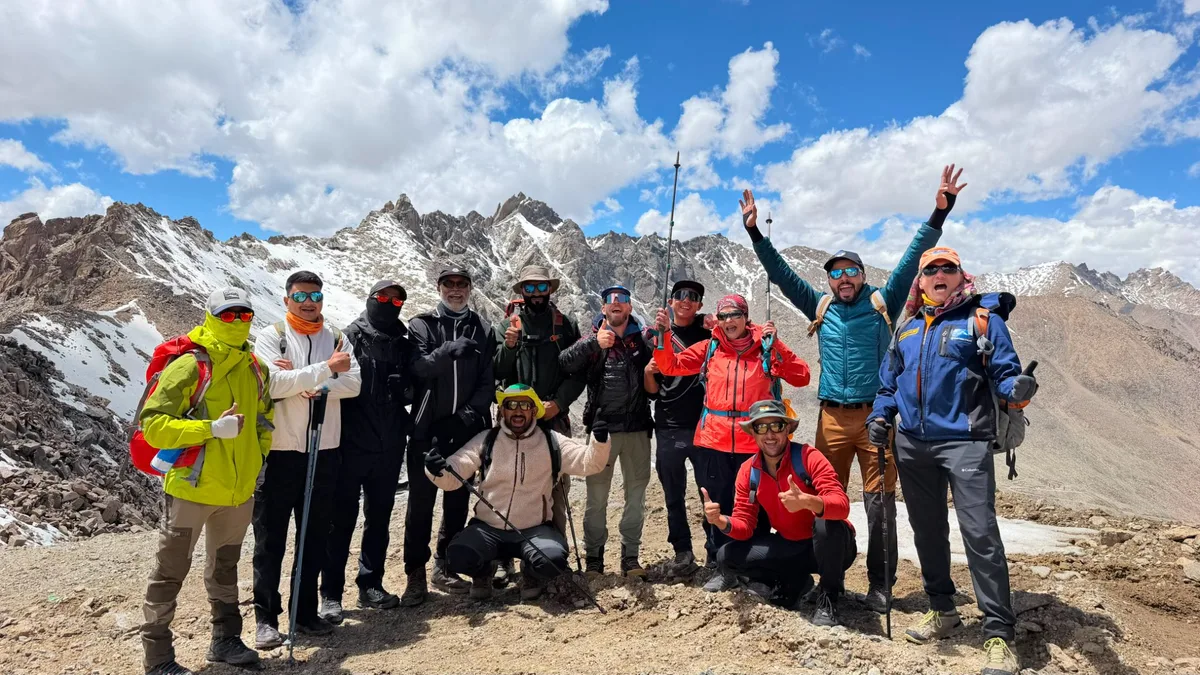
There is a useful historical example in the Jawahar Institute of Mountaineering & Winter Sports’ 2023 expedition report. Its Mount Nun team recorded snow, blizzards and fog during late July. Bad weather forced a return to advance base camp, and the team later worked on a different route after the traditional line became non-viable. I was also part of that 2023 expedition with a different team and helped make it successful.
That is one expedition’s account. It cannot tell us how often those conditions occur. It does show why being within the season is only one part of the plan.
How snow and glacier conditions affect the route
Based on our expedition experience, some sections of Mount Nun’s route can have more pronounced or exposed crevasses later in the season compared with conditions around mid-July.
The important word is can.
Temperature, snowfall and seasonal changes affect snow bridges and glacier surfaces. Conditions from one expedition help inform the next, but they do not establish what a team will find on arrival.
September is not automatically unsuitable. Nor does an earlier date remove the need for careful glacier assessment.
This is where a recent route observation becomes more useful than a general description of the mountain. Ask when the information was recorded, which section it describes and whether conditions have changed since then.
An expedition photograph needs that context too. A snow-covered section in a previous season’s image may look different when your team reaches it.
The expedition team must assess the route on the ground. Climbers should arrive with relevant experience using crampons, an ice axe, a harness and the rope systems required for the programme.
Allow time for the whole Mount Nun expedition
A Mount Nun expedition generally takes approximately three to four weeks, depending on the itinerary and conditions.
The approach commonly involves arrival in Leh, initial acclimatization and travel through Kargil towards the Suru Valley before reaching base camp. Above base camp, the programme includes rotations, load ferries, route preparation, higher camps, recovery and the summit attempt.
Those days serve different purposes. Looking only at the number of days between arrival and departure can hide how little flexibility a programme has during its climbing phase.
When comparing itineraries, check:
- How much time is allocated to the approach and initial acclimatization.
- Where rotations and recovery fit into the programme.
- Which days can accommodate weather or route delays.
- How a changed climbing schedule affects the descent and return journey.
Fitness matters for the work involved, but it does not remove the need for acclimatization. The CDC’s high-altitude guidance states that physical fitness does not protect against altitude illness.
A strong climber still needs an appropriate programme and attention to how they respond to altitude.
What buffer days actually give you
We recommend leaving extra time around the planned expedition wherever possible. Weather delays, further acclimatization, route work and recovery can all affect the schedule.
But “I have two extra days” needs a little more explanation.
Where are those days? What can the team do with them?
| Type of flexibility | What to clarify |
| Reserve time within the mountain programme | Can the team use it for weather delays, route preparation or recovery? What support and supplies are available? |
| Extra time before the return journey | Can it absorb a delayed finish? Does it also permit an extension of mountain operations, or only a later flight? |
| An extension beyond the agreed programme | What needs to be arranged, what remains available and which additional costs apply? |
A later flight gives you travel flexibility. Extending the climb also involves staff, food, equipment and other operational arrangements.
Confirm both before departure.
Additional time can give the team more options. It does not make an unsuitable route suitable, and waiting does not guarantee that conditions will improve enough for an attempt. Expedition leadership may still decide to turn back.
What to ask before booking your departure
Start with the reason for the proposed dates. Then discuss how the programme would respond if the original schedule changed.
These are the questions worth taking into that conversation:
- Why do you recommend this departure period? Ask how the dates fit the current route plan and available condition reports.
- How are climbing conditions monitored? Understand how weather information and observations from the mountain inform decisions.
- Which reserve days are usable during the climbing phase? Confirm what can move within the programme.
- What happens if the expedition runs longer? Clarify support, accommodation, transport and additional costs.
- Does my experience suit this expedition? Share your climbing history and familiarity with glacier travel, fixed ropes and high-altitude camps.
- What equipment and carrying responsibilities are mine? Confirm the departure-specific list and practise with the equipment you will use.
Climbing support deserves the same clarity. At Kailasa, our guide and Sherpa team strength is broadly comparable to the number of climbing members. The team supports the expedition collectively across route work, camp movement, rotations and the summit attempt. That staffing approach does not mean each member has an exclusively assigned personal guide.
You can review the current Mount Nun itinerary and package details alongside these questions. For wider preparation, our Mount Nun expedition guide covers the broader trip.
Questions about Mount Nun’s climbing season
A. August falls within our recommended mid-July to mid-September window. It is a period to consider, but the month alone cannot establish which departure will have better conditions. Assess the proposed programme, current route information and available reserve time.
A. Early to mid-September is within our recommended planning window. Suitability depends on the conditions that season and the team’s assessment. Some route sections can have more exposed crevasses later in the season, so recent observations matter.
A. Confirm the number and purpose of reserve days with the expedition team for your departure. There is no single number that guarantees enough time. Check mountain reserves and return-travel flexibility separately, including the arrangements for an extension.
A. Mount Nun requires previous mountaineering and high-altitude experience, along with relevant technical skills. It should not be treated as a first mountaineering objective. A suitable month does not change those requirements.
Before choosing a departure, share your climbing experience and available dates with our team. The aim is to agree on a programme you understand, including what can change if the mountain requires more time.