Dzo Jongo Peak Trek
- Home
- Dzo Jongo Peak Trek
Dzo Jongo Peak Trek (Max Altitude 6180 mts )
Beginner Friendly
Dzo Jongo Peak Trek
Grade 6Description
Dzo Jongo, standing tall at 6,180 meters, is as enigmatic and captivating as any legendary story. Tucked away in plain sight within the famous Markha Valley, this striking peak has long remained in the shadows of its more renowned neighbors, Kang Yatse I and II. As a result, it sees far fewer climbers, allowing you to enjoy its majestic slopes, icy ridges, and breathtaking 360° panoramas largely undisturbed.
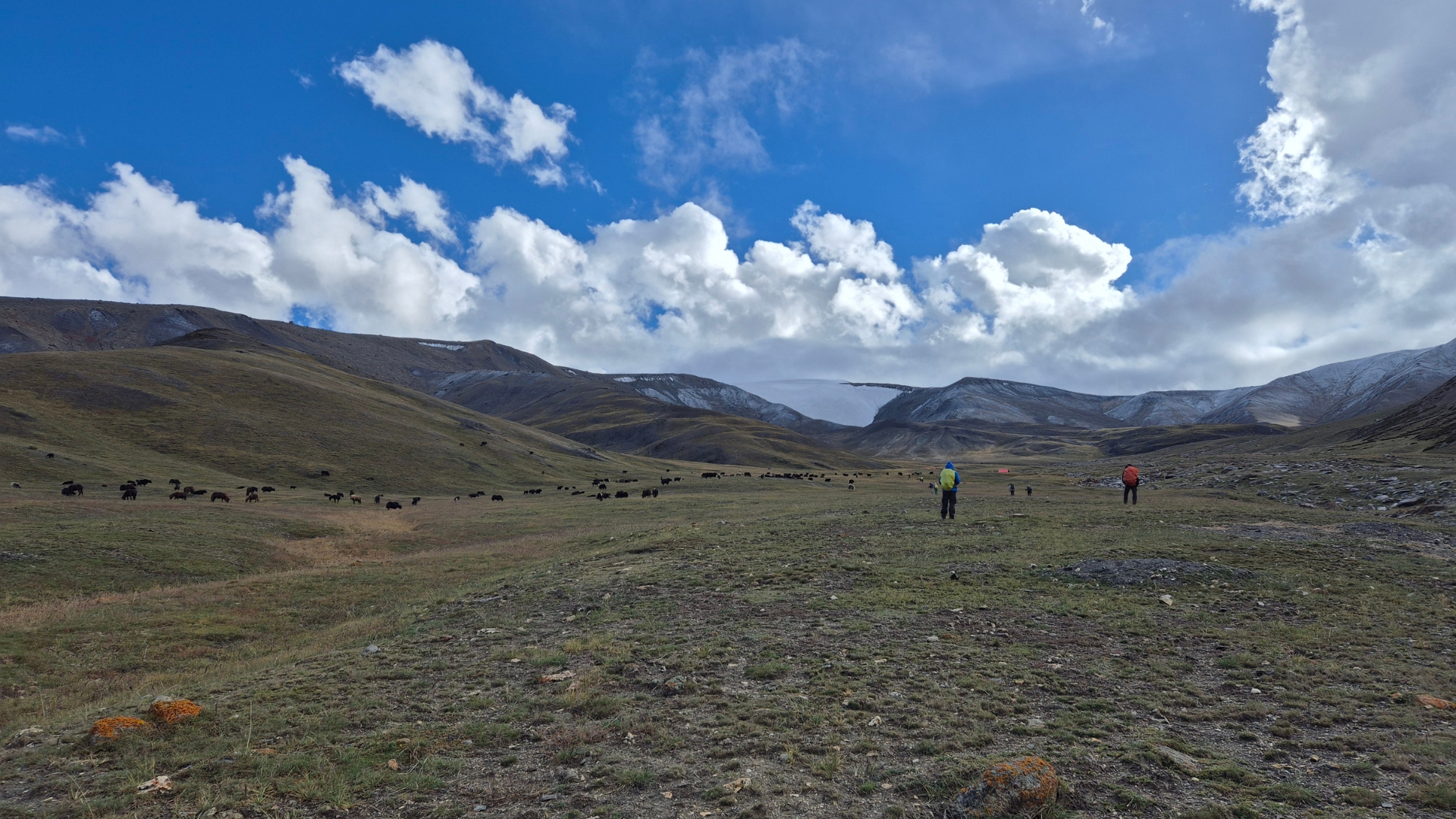
The journey begins in Leh, taking you through the stark yet mesmerizing landscapes of Ladakh. Interestingly, Dzo Jongo remains hidden from view for the first five days of the trek, keeping trekkers guessing about its presence. And when it finally emerges? Its beauty more than rewards the anticipation—it is truly a sight worth the effort.
From the swirling dust storms of the valley to the gusty winds at Base Camp (5,200 m) and the snow-laden challenges of the summit push, Dzo Jongo East (6,180 m) offers an unforgettable adventure. Classified as a trekking peak, it presents the perfect balance of challenge, thrill, and extreme conditions, testing both your endurance and determination.
For those seeking a peak that combines adventure, solitude, and panoramic Himalayan vistas, Dzo Jongo promises an experience that will stay etched in memory long after the trek ends.
Stay on this page to explore more details about Dzo Jongo, including its routes, itinerary, and essential tips for the expedition.
Brief Itinerary
Day 1: Make your way to Leh (3,500M)
Day 2: Rest and Acclimatization in Leh (3,500M)
Day 3: Leh (3,500M) to Lato (4,014M)
Day 4: Lato (4,014M) to Shiul Sumdo (4,600M)
Day 5: Shiul Sumdo (4,600M) to Chaksung (4,900M) via Shiul Pass (5,100M)
Day 6: Chaksung (4,900M) to Dzo Jongo (East) Base camp (5,200M) via Chak Pass (5,500M)
Day 7: Rest and Acclimatization at Basecamp (5,200M)
Day 8: Basecamp (5,200M) to Summit (6,180M) and back to Basecamp (5,200M)
Day 9: Basecamp (5,200M) to Leh (3,500M) via Kongmaru La Pass (5,236M)
Day 10: Departure from Leh
Detailed Itinerary
Day 1: Arrival in Leh (3,500 m)
Arrive in Leh and settle into your accommodation
Rest and recover from travel
Overnight in Leh
Day 2: Rest & Acclimatization in Leh (3,500 m)
Explore Leh’s markets and local culture
Short acclimatization walk around Leh
Group briefing: expedition schedule, dos & don’ts, safety measures, and high-altitude awareness
Overnight in Leh
Day 3: Leh → Lato (4,014 m)
Distance & Time: ~40 km drive, 3–4 hours
Scenic drive through the Indus and Zanskar valleys
Arrive at Lato, set up camp
Short acclimatization walk in the evening to adapt to altitude
Overnight at Lato
Day 4: Lato (4,014 m) → Shiul Sumdo (4,600 m)
Distance: ~12–14 km | Time: 5–6 hours
Trek gradually ascends through barren mountains and river valleys
Cross small streams and navigate rocky terrain
Camp at Shiul Sumdo, evening acclimatization walk
Overnight at Shiul Sumdo
Day 5: Shiul Sumdo (4,600 m) → Chaksung (4,900 m) via Shiul Pass (5,100 m)
Distance: ~10–12 km | Time: 6–7 hours
Early start for the ascent to Shiul Pass (5,100 m)
Panoramic views of surrounding peaks and glaciers
Gradual descent to Chaksung campsite (4,900 m)
Overnight at Chaksung
Day 6: Chaksung (4,900 m) → Dzo Jongo East Base Camp (5,200 m) via Chak Pass (5,500 m)
Distance: ~8–10 km | Time: 6–7 hours
Trek over Chak Pass (5,500 m) – a challenging high-altitude pass with snow and rocky terrain
Descend to Dzo Jongo East Base Camp (5,200 m)
Set up camp, check climbing gear, and rest for summit preparation
Overnight at Base Camp
Day 7: Rest & Acclimatization at Base Camp (5,200 m)
Acclimatization day to prepare for summit push
Distribute and check mountaineering gear
Practice climbing techniques: ice axe usage, crampons, rope handling
Optional short acclimatization trek around Base Camp
Day 8: Base Camp (5,200 m) → Summit (6,180 m) → Base Camp (5,200 m)
Distance: ~8 km ascent & descent | Time: 10–12 hours
Summit push starts early, typically around midnight
Climb steep slopes, glaciers, and snow ridges; use ropes for technical sections
Reach summit (6,240 m) and enjoy panoramic views of the surrounding Himalayas
Descend carefully back to Base Camp
Overnight at Base Camp
Day 9: Base Camp (5,200 m) → Leh (3,500 m) via Kongmaru La Pass (5,236 m)
Distance: ~16 km trek + 3–4 hours drive | Time: 8–9 hours
Descend via Kongmaru La Pass with stunning views of the mountains and valleys
Drive back to Leh
Evening rest and overnight in Leh
Day 10: Departure from Leh
Trek ends with a summit celebration
Optional extension to explore Leh and Ladakh
Plan spare days between trek end and onward travel due to unpredictable high-altitude conditions
Other Treks
Gallery


What's Included
- Guest House Stays in Leh (Day 1, Day 2, & Day 9)
- Veg meals as per menu during the trek
- Technical equipment – Ropes, Helmet, Ice Axe, Crampons, Mountaineering Boots
- First aid medical kits and oxygen cylinder
- Qualified & experienced trek Leader, Guide and Support staff
- Transport from Leh to Road head and return
- Camping during the trek
- Tents, Sleeping bags, Sleeping Mat, Gaiters, Crampons, Microspikes.
- For More Info Kailasa Treks
What's Not Included
- Meals in Leh
- Meals during road journeys
- Any kind of personal expenses
- Any kind of Outdoor Insurance ( Mandatory)
- Mules or porter to carry personal luggage
- Anything not specifically mentioned under the head Inclusions
- Expedition Permit Fee of INR 5000 per member for foreign nationals & INR 1000 per member for Indian Nationals.
- Inner Line Permit Fee of INR 700 per participant
Frequently Asked Questions
Dzo Jongo is situated in the Markha Valley region of Ladakh, northern India. It lies near the more famous Kang Yatse peaks but remains relatively untouched, offering solitude and pristine high-altitude landscapes.
The peak rises to 6,240 meters (20,472 ft) and is classified as a trekking peak, suitable for high-altitude trekkers rather than technical climbers.
The trek is challenging due to high altitude, long trekking days, and three high passes.
Summit day involves climbing steep snow slopes and ridges.
While it is not a technical climb, it requires excellent physical fitness, acclimatization, and endurance.
No technical mountaineering experience is required. However, trekkers should:
Have prior high-altitude trekking experience (preferably above 4,500–5,000 m)
Be fit for 6–8 hours of trekking per day
Be comfortable handling cold, snow, and altitude
The trek is best undertaken in:
Pre-monsoon: June to early July
Post-monsoon: Late August to September
During these months, the weather is stable, snow conditions are manageable, and the skies are mostly clear.