Kang Yatse I Peak
- Home
- Kang Yatse I Peak
Kang Yatse I Peak (Max Altitude 6400 mts )
A highly challenging Markha Valley
Kang Yatse I Peak
Grade 7Description
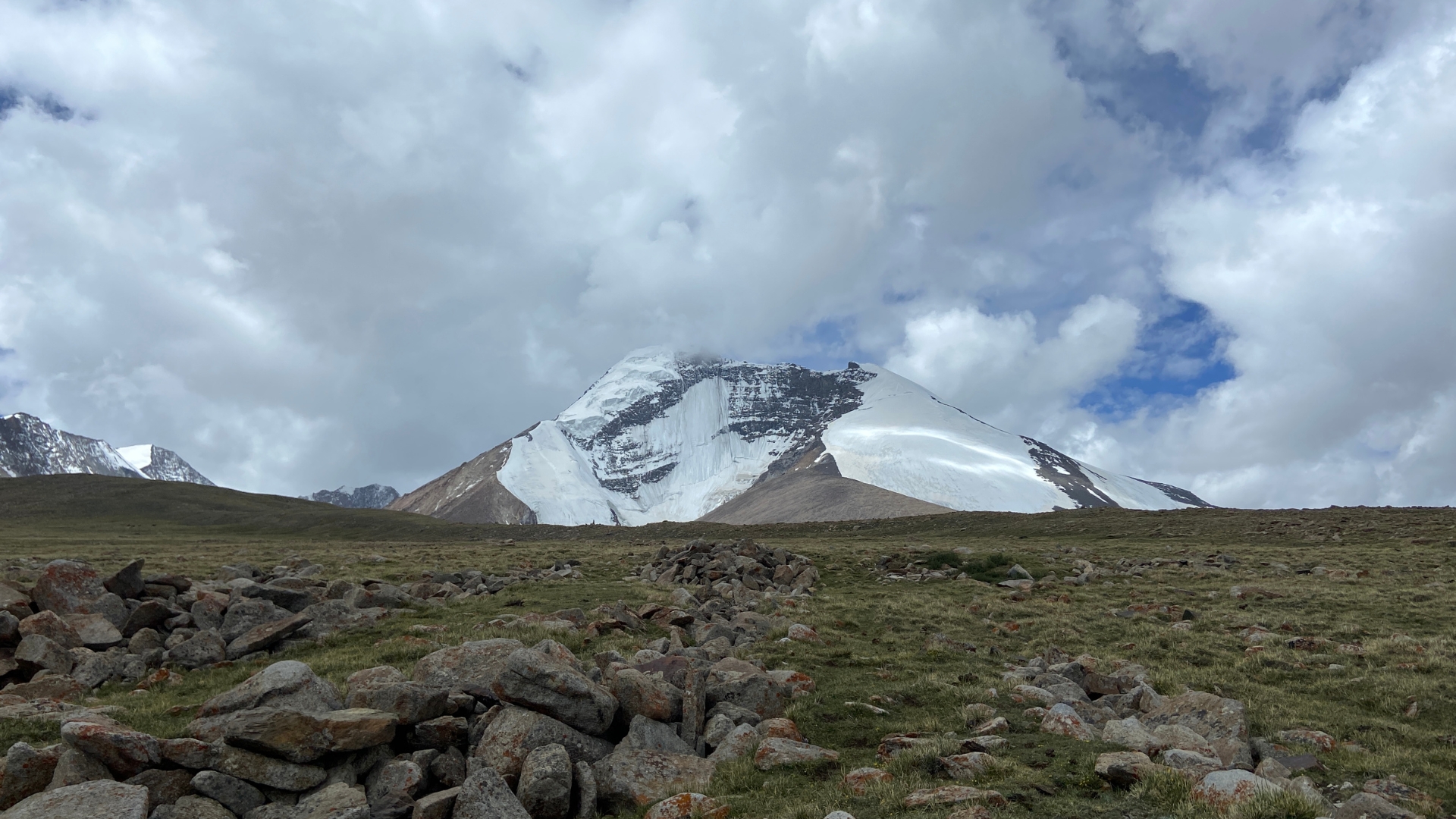
Situated within Hemis National Park in the heart of Ladakh’s iconic Markha Valley, Kang Yatse I rises to an imposing height of 6,400 meters and stands out as one of the region’s most demanding technical peaks. The mountain features two prominent summits—Kang Yatse I and Kang Yatse II. While Kang Yatse II, at 6,240 meters, is relatively easier and commonly climbed by trekkers, Kang Yatse I is far more complex and intended only for seasoned mountaineers.
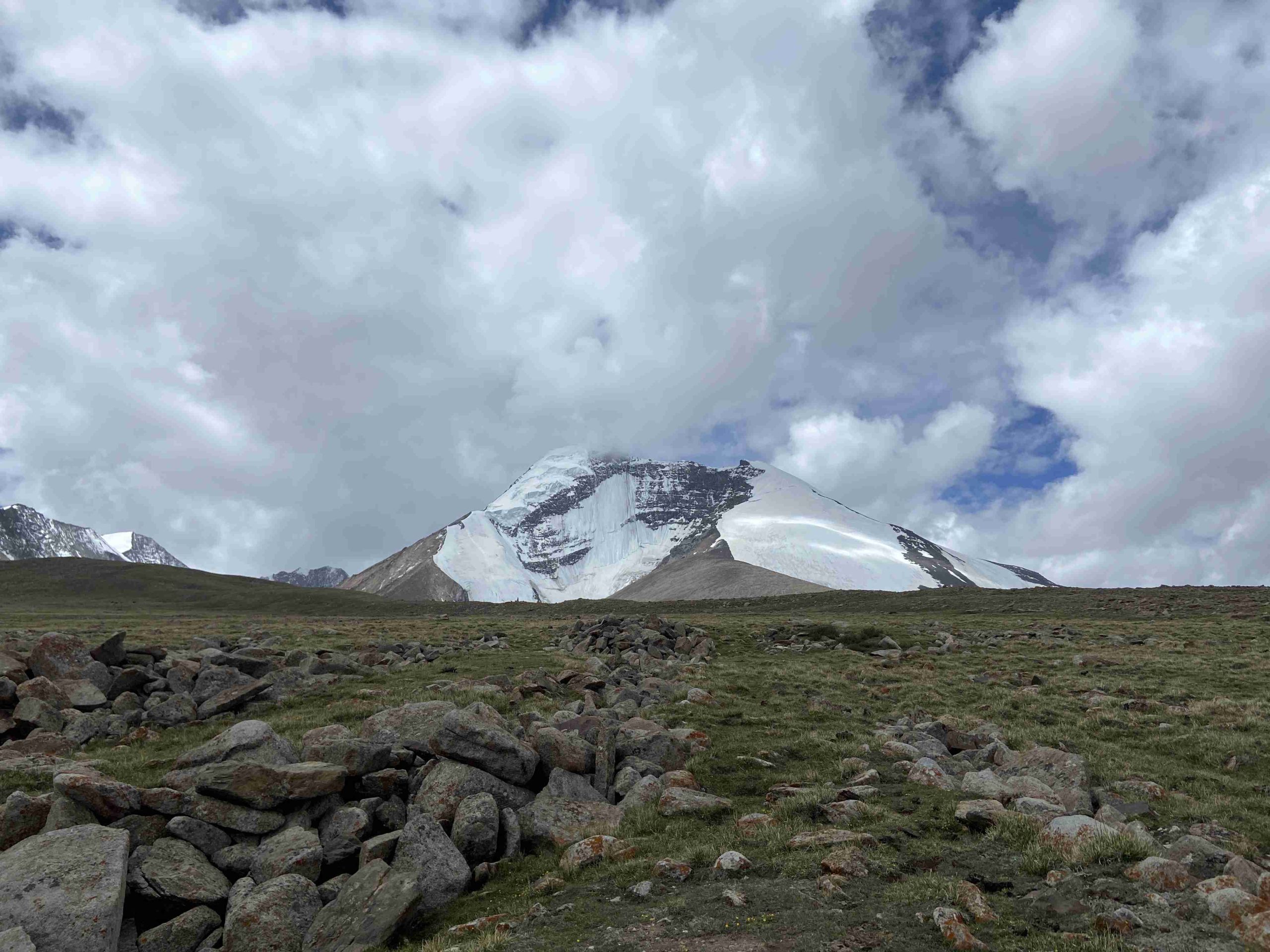
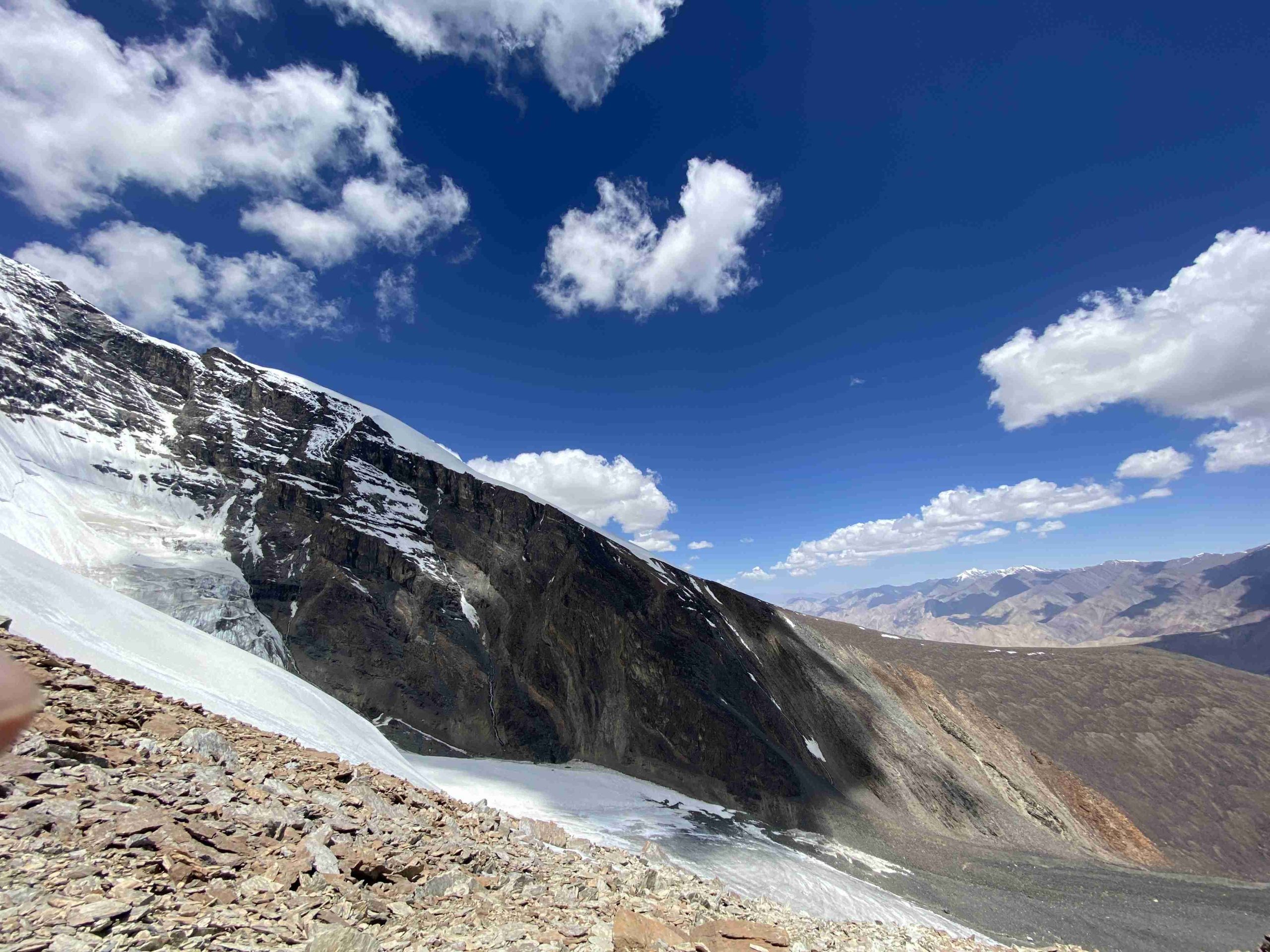
Towering above the barren, high-altitude landscape of Markha Valley, Kang Yatse I first comes into view around the sixth day of the approach trek. The peak presents a striking contrast against the valley’s rugged terrain of scree, loose rocks, and dry mountain slopes. Its sheer presence in the midst of this stark environment makes it an unforgettable sight.
The journey begins in Leh, Ladakh’s high-altitude capital, where the beauty of the region is evident from the very start. The drive to Skiu takes you to the dramatic meeting point of the Zanskar and Indus rivers, each flowing in distinctly different hues. As the expedition progresses through the valley, trekkers may encounter wildlife native to the region and pass through remote villages that offer insight into the simple yet resilient lifestyle of the local communities. Along the route, ancient monasteries, prayer flags, mani walls, stupas, and religious shrines dot the landscape, adding color and spiritual depth to the otherwise muted surroundings. Scattered ruins, abandoned forts, and age-old structures blend seamlessly into the valley’s unique geological formations, lending an air of mystery to the region.
Unlike its more accessible counterpart, Kang Yatse II, Kang Yatse I is designed for climbers with prior high-altitude mountaineering experience and strong technical skills. The ascent involves ice and snow climbing, negotiating crevasses, crossing moraines, tackling technical rock sections, and ascending a steep couloir that demands exceptional endurance and strength. The use of advanced mountaineering equipment is essential, and participants must be in peak physical condition.
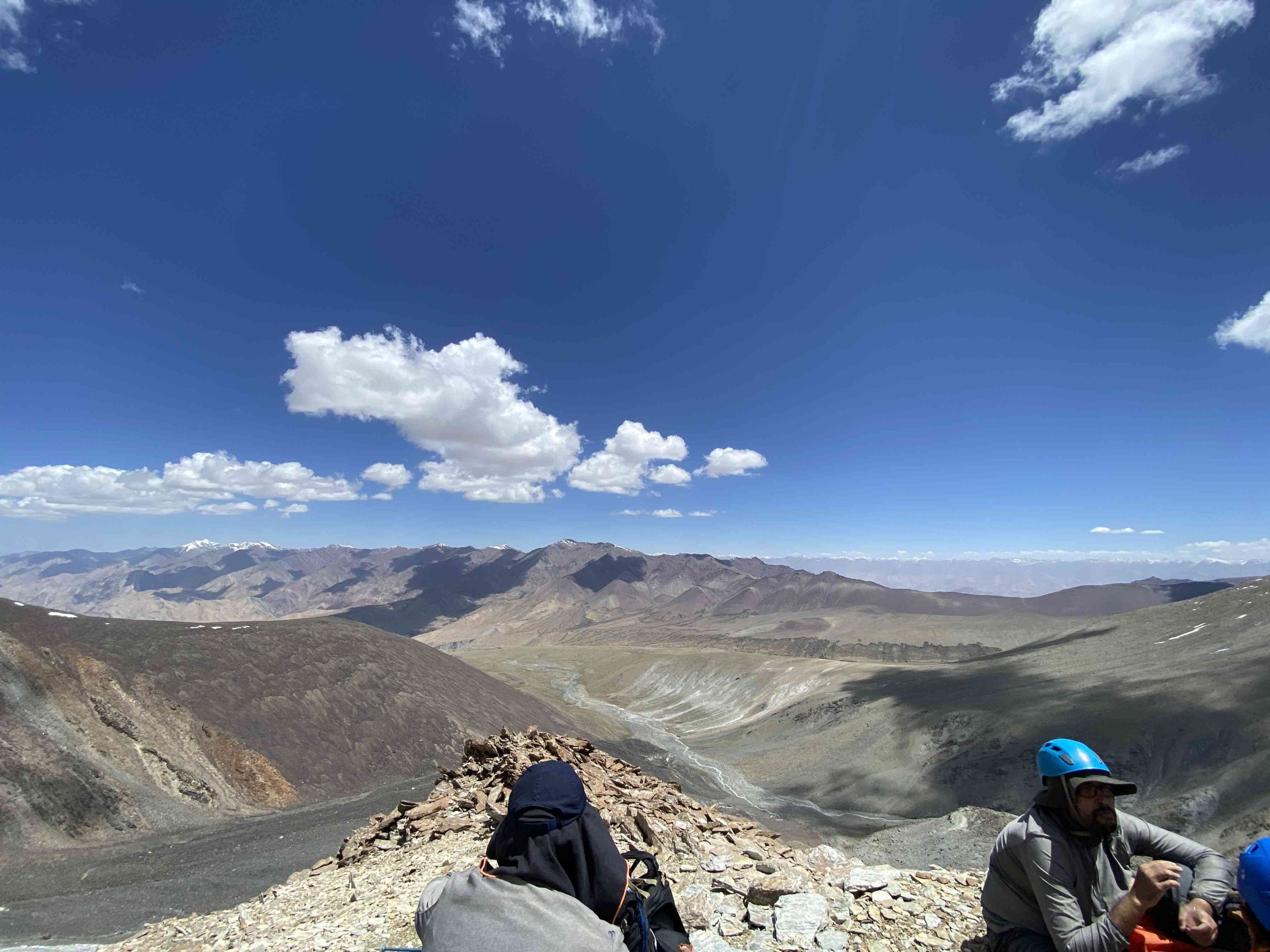
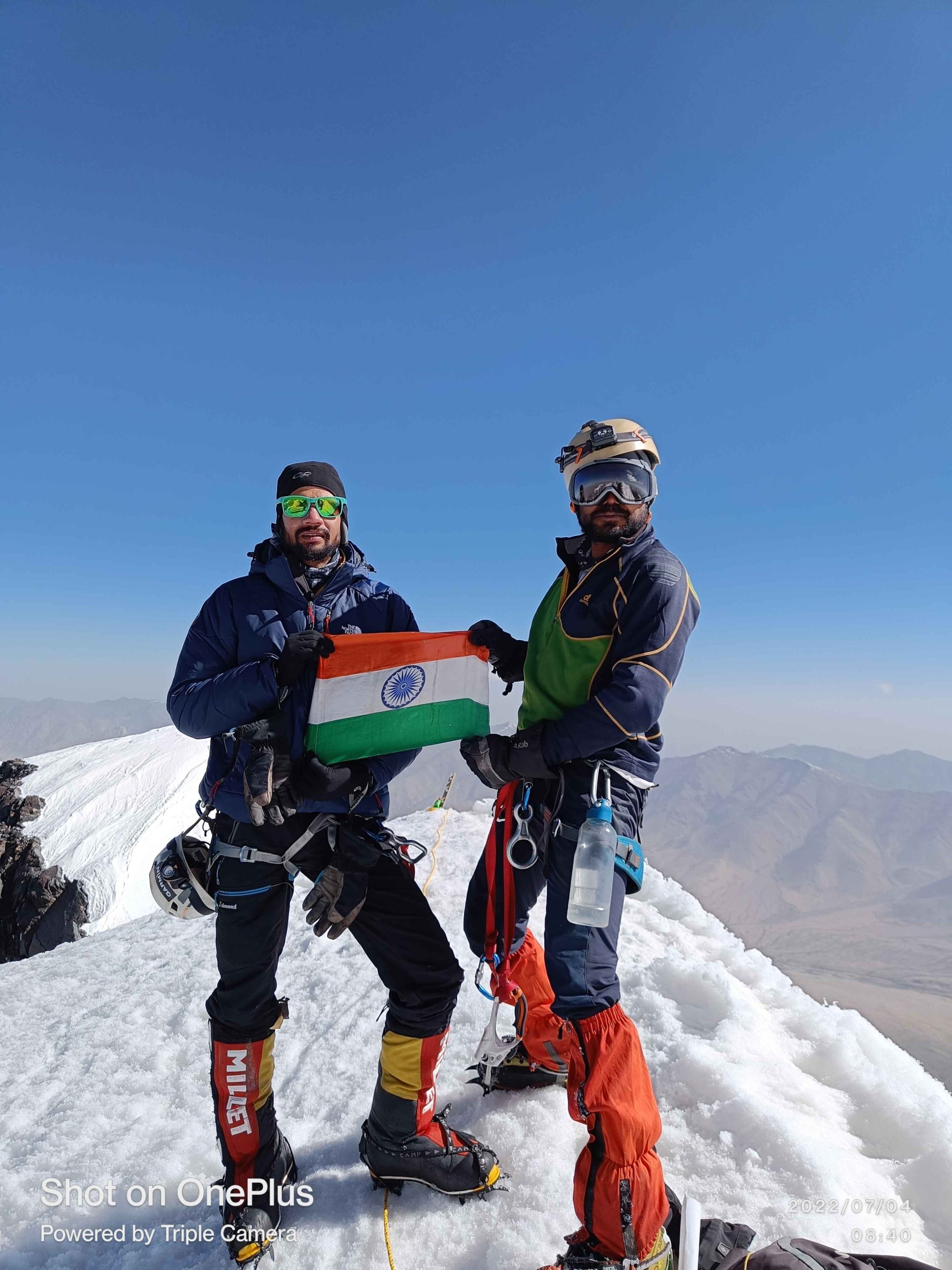
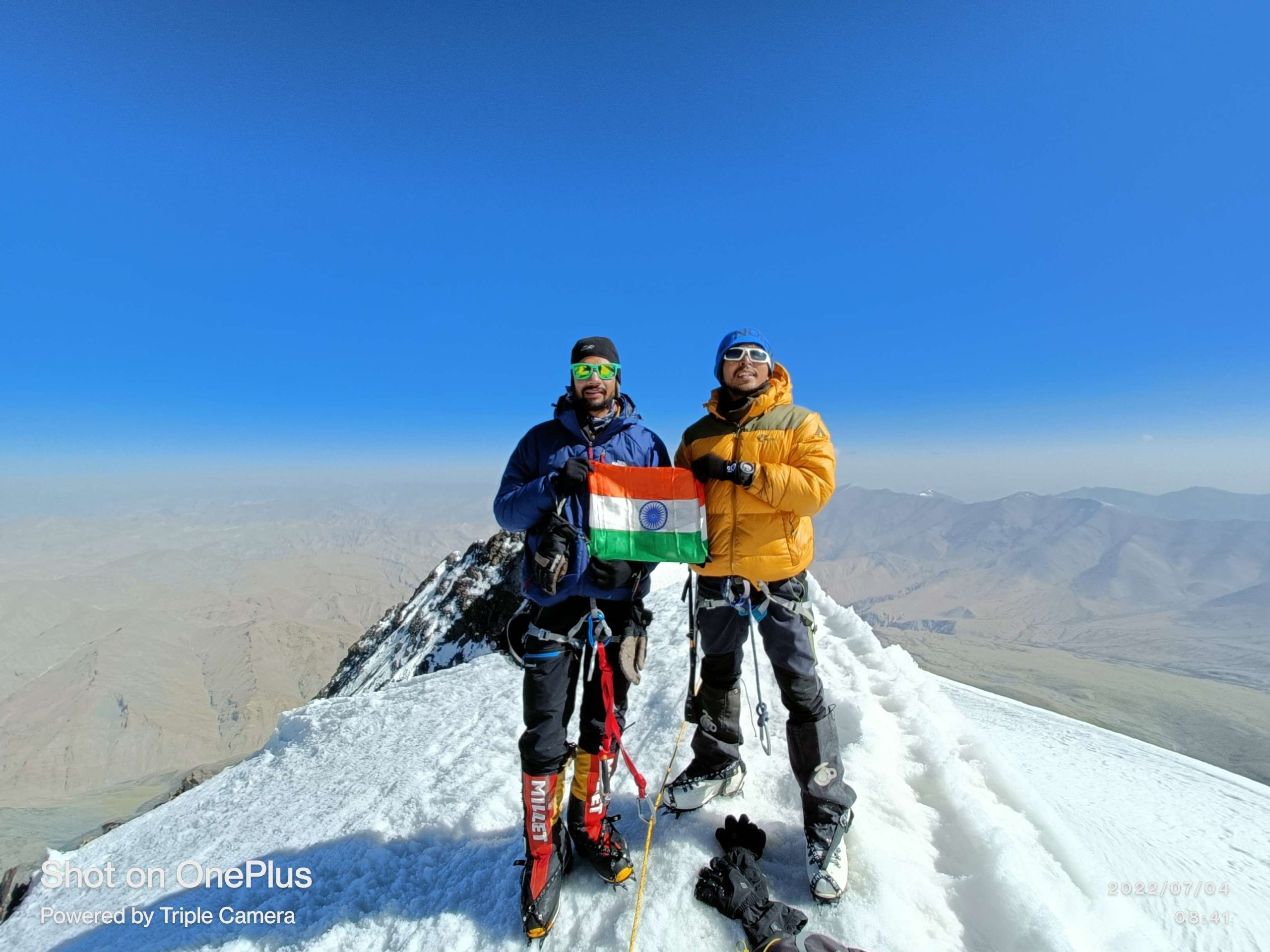
Reaching the summit rewards climbers with breathtaking panoramic views of prominent peaks such as Stok Kangri, Dzo Jongo, and the distant, formidable Karakoram Range. The ideal season for attempting Kang Yatse I is from July to September, when conditions are most favorable. Explore this page further to learn more about the route, detailed itinerary, and additional insights into the Kang Yatse I expedition.
Brief Itinerary
Day 1: Arrive in Leh (3,500 M)
Day 2: Rest and Acclimatization in Leh (3,500M)
Day 3: Leh (3,500M) to Skiu (3,500M)
Day 4: Skiu (3,500M) to Sara (3,500M)
Day 5: Sara (3,500M) to Umlung (3,901M).
Day 6: Umlung (3,901M) to Thochungtsey (4,298M).
Day 7: Thochungtsey (4,298M) to Kang Yatse Base Camp ( 5,100M).
Day 8: Rest and Acclimatization at Basecamp (5,100M)
Day 9: Base Camp (5,100M) to Advanced Base Camp (5,425M) to Base Camp (5,100M)
Day 10: Base Camp (5,100M) to Advanced Base Camp (5,425M).
Day 11: Advance Base Camp (5,425M) to Summit Camp (5,700M)
Day 12: Summit Camp (5,700M) to KY-I Summit (6,400M) to Base Camp (5,100M).
Day 13: Reserve Day
Day 14: Base Camp (5,100M) to Chokdo (3,900M) via Kongmaru La (5,200M) to Leh.
Day 15: Departure from Leh
Detailed Itinerary
Day 1: Arrival in Leh (3,500 m)
Arrive in Leh and settle into accommodation
Rest and acclimatize to high-altitude conditions
Day 2: Rest & Acclimatization in Leh (3,500 m)
Explore Leh’s market and local culture
Group debrief: schedule, dos & don’ts, environmental guidelines
Short acclimatization walk around town
Day 3: Leh → Skiu (3,500 m)
Distance: 35 km drive (~3 hours)
Scenic drive along the Indus and Zanskar rivers
Set up camp, have lunch, and evening acclimatization walk
Day 4: Skiu → Sara (3,500 m)
Distance: 11 km | Time: 6 hours
Trek through Marka Valley’s arid landscapes
Cross small streams and wooden bridges
Overnight at Sara campsite
Day 5: Sara → Umlung (3,901 m)
Distance: 15 km | Time: 6–7 hours
Pass through Markha Village (largest village in valley)
Gradual ascent with easy terrain; afternoon acclimatization walk
Day 6: Umlung → Thochungtsey (4,298 m)
Distance: 8.5 km | Time: 5 hours
River crossings and monastery visit (Tacha Gompa)
Trek through wheat fields and scattered villages
Overnight at Thochungtsey campsite with evening acclimatization walk
Day 7: Thochungtsey → Kang Yatse Base Camp (5,100 m)
Distance: 8–9 km | Time: 6–7 hours
Gradual ascent through Upper Hunkar and Twin Lake
Scenic views of Kang Yatse I & II, Mani stones, and prayer flags
Reach Base Camp, set up tents, overnight stay
Day 8: Rest & Acclimatization at Base Camp (5,100 m)
Distribute climbing gear and equipment
Practice techniques: ice axe usage, roping, ascending/descending on snow
Acclimatization walk in the nearby slopes
Day 9: Base Camp → Advanced Base Camp (5,425 m) → Base Camp (5,100 m)
Distance: 5–6 km | Time: 6–7 hours
Acclimatization rotation: carry load to Advanced Base Camp, descend back to Base Camp
Day 10: Base Camp → Advanced Base Camp (5,425 m)
Occupy Advanced Base Camp
Rope fixing and route preparation
Overnight in tents
Day 11: Advanced Base Camp → Summit Camp (5,700 m)
Launch pad for summit attempt
Acclimatization and preparation for technical climb
Day 12: Summit Push: Summit Camp → Kang Yatse I Summit (6,400 m) → Base Camp
Start around midnight
Technical climb: steep slopes, ice walls, knife ridges, vertical ice wall at final 500 m
Exceptional summit views
Descend carefully back to Base Camp
Day 13: Reserve Day
Reserved for a second summit attempt in case of bad weather or unforeseen conditions
Day 14: Base Camp → Chokdo (3,900 m) via Kongmaru La (5,200 m) → Leh
Distance: 16 km trek + 3 hours drive | Time: 8 hours trek
Cross Kongmaru La pass with spectacular views of Kang Yatse I & II
Descend to Chokdo and drive back to Leh
Evening arrival in Leh
Day 15: Departure from Leh
Expedition ends with a summit celebration
Optional: explore Leh and Ladakh if extending stay
Plan spare days before travel home due to unpredictable high-altitude weather
Other Treks
Gallery


What's Included
- Guest House Stays in Leh (Day 1,2 and 12)
- Trek Meals (Starting Lunch on Day 3)
- Transport from Leh to Road head and return
- Forest Permits/Camping Charges (upto the amount charged for Indian nationals)
- 4 season Dome Tents, Thermal rated Sleeping bags, Sleeping mats
- Safety Equipment includes static rescue rope, seat harness, carabiners, pulleys
- Expedition guide, cook, helpers, HAP and LAP for carrying common supplies
- Course certified & experienced Expedition Leader with Wilderness Emergency Responder & Rescue. course from NIM Uttarkashi
- Technical Equipment – PP Ropes, Helmet, Ice Axe, Crampons, Mountaineering Boots, Snow Stake, Dead Man/Boy. For More Kailasa Treks
What's Not Included
- Meals in Leh
- Meals during road journeys
- Portage of personal bags during the expedition
- Cost of any kind of Travel Insurance.
- Expedition Permit Fee of INR 5000 approx per member for foreign nationals & INR 1000 per member for Indian Nationals.
- Any kind of personal expenses
- Inner Line Permit Fee of INR 700 per participant
- Outdoor Insurance is mandatory for all participants
Frequently Asked Questions
Kang Yatse I rises from the center of Markha Valley inside Hemis National Park in Ladakh. It is one of the most prominent peaks in the region and is visible from Nimaling.
The summit stands at 6,400 meters, making it a serious high-altitude, technical expedition.
Kang Yatse I is the higher, more technical peak, requiring advanced mountaineering skills.
Kang Yatse II, at 6,240 m, is a non-technical trekking peak, often attempted by fit trekkers.
Yes. The peak involves snow and ice climbing, negotiating crevasses, ascending steep gradients, and using fixed ropes. Technical expertise is essential.
Only experienced mountaineers or trekkers with prior high-altitude climbing experience should attempt Kang Yatse I. Familiarity with equipment and glacier movement is mandatory.
Book a Tour
Error: Contact form not found.