Kang Yatse II Peak Trek
- Home
- Kang Yatse II Peak Trek

Kang Yatse II Peak Trek (Max Altitude 6250 mts )
The Summit of Ladakh’s Trails
Kang Yatse II Peak Trek
Grade 6Description
Nestled within Hemis National Park, Kang Yatse II rises to 6,250 m, standing slightly lower than its formidable sibling, Kang Yatse I at 6,400 m. Among the tallest trekking peaks in Ladakh’s stark and dramatic landscape, Kang Yatse II first reveals itself around Day 6 of the journey as we advance through the legendary Markha Valley toward its base. The mountain is a striking sight—an elegant white pyramid rising boldly from a world dominated by sand, scree, and rugged rock.
Your adventure begins in the high-altitude town of Leh, where beauty surrounds you even before the trek starts. The drive towards Skiu, the breathtaking confluence of the Indus and Zanskar Rivers, the rare glimpses of Ladakh’s unique wildlife, and the long but captivating walk through the Markha Valley all come together to create an unforgettable approach to this mountain. Standing at 6,250 m, Kang Yatse II commands your attention the moment you catch sight of it.
Small Ladakhi settlements scattered along the route offer a window into the region’s culture. Ancient stupas, colorful mani walls, monasteries, and prayer flags break the monotony of the barren desert terrain, infusing the landscape with spirituality and color. The fluttering prayer flags lend a sense of serenity as you move toward higher altitudes where the air grows thin and quiet. Ruined forts, mysterious structures, and centuries-old monasteries blend effortlessly with the natural formations, deepening the sense of wonder throughout the trek.
While the trail is long and often harsh, the most challenging day is undoubtedly summit day, when you gain nearly 1,200 m of elevation in a single push—a demanding test of stamina and determination.
The return journey through Kongmaru La Pass (5,236 m) is another highlight that often becomes the trek’s most memorable section. The ascent involves stretches of steep incline scattered between wide, open plains alive with marmots and pikas. From the top, you’re rewarded with sweeping panoramas of Kang Yatse I, Kang Yatse II, and Dzo Jongo. Fierce winds whip through the prayer-flag-covered pass, adding to the thrill of standing at such heights.
Descending from Kongmaru La takes you through narrow ravines, multiple stream crossings, and a landscape that seems to transform every few minutes—towering rock walls, vibrant mineral-rich formations, and strange yet fascinating high-altitude flora make the experience unforgettable.
Although Kang Yatse II is classified as a trekking peak, meaning it doesn’t require advanced technical skills or equipment, it demands strong fitness, solid trekking experience, and excellent acclimatization due to its altitude and long summit day.
The ideal season to climb this peak is June to September.
Continue reading this page to explore everything you need to know about Kang Yatse II—its route, detailed itinerary, and related resources to help you prepare for this incredible Himalayan adventure.
Brief Itinerary
Day 1: Arrive Leh (3,500 m) – Rest & acclimatize
Day 2: Acclimatization & sightseeing in Leh
Day 3: Drive Leh → Spituk → Trek to Markha / Skiu (1–2 hrs)
Day 4: Trek to Nimaling (4,720 m) – 3–4 hrs
Day 5: Trek to Base Camp (5,050 m) – 4–5 hrs
Day 6: Acclimatization at Base Camp – practice climbing techniques
Day 7: Base Camp → Advanced Base Camp (5,350 m) – 3–4 hrs
Day 8: Summit Attempt Kang Yatse II (6,250 m) – Return to ABC
Day 9: ABC → Base Camp (5,050 m) – Rest
Day 10: Reserved day
Day 11: Base Camp → Nimaling → Trek back to Leh
Day 12: Departure from Leh
Detailed Itinerary
Day 1: Arrival in Leh (3,500 m)
Arrive in Leh, the gateway to Ladakh and a major hub for high-altitude mountaineering. The day is reserved for arrival and settling into accommodation. As participants arrive from sea level, complete rest is recommended to allow the body to begin adapting to the altitude.
Day 2: Rest & Acclimatization in Leh (3,500 m)
A full day for acclimatization. Explore local markets, monasteries, and nearby attractions at a relaxed pace. Leh offers excellent options for last-minute trekking gear purchases.
A team briefing will be conducted covering the expedition schedule, safety guidelines, mountain ethics, and environmental responsibility.
Day 3: Leh → Skiu (3,500 m)
Distance: 35 km
Duration: 3 hours (drive)
Drive along the Indus River to Skiu, witnessing Ladakh’s stark and dramatic terrain. Reach the campsite by lunchtime. After settling in, proceed for a short acclimatization walk in the evening to help the body adapt to the arid climate.
Day 4: Skiu → Sara (3,500 m)
Distance: 11 km
Duration: 6 hours
Begin the Markha Valley trek through open landscapes, rocky trails, and riverbeds. Cross wooden bridges and follow the Markha River to Sara. The terrain remains mostly flat with mild ascents.
Day 5: Sara → Umlung (3,901 m)
Distance: 15 km
Duration: 6–7 hours
Trek via Markha Village, the largest settlement in the valley. Gradual ascent through familiar terrain leads to Umlung. Campsite is set amidst green meadows with surrounding barren mountains. Evening acclimatization walk.
Day 6: Umlung → Thochungtsey (4,298 m)
Distance: 8.5 km
Duration: 5 hours
Cross multiple river streams and pass Tacha Gompa monastery perched on a steep slope. The trail opens into wide valleys before reaching Thochungtsey, where camps are set among wheat fields. Acclimatization walk in the evening.
Day 7: Thochungtsey → Kang Yatse Base Camp (5,100 m)
Distance: 8–9 km
Duration: 6–7 hours
A significant altitude gain day. Trek past Upper Hunkar village adorned with prayer flags and Mani stones. Continue toward Twin Lakes offering stunning views of Kang Yatse I & II. From here, proceed to Kang Yatse Base Camp and set up tents.
Day 8: Rest & Training at Base Camp (5,100 m)
Acclimatization and technical training day.
Gear distribution
Snow and glacier movement training
Use of crampons, ice axe, and roping techniques
Early dinner and rest in preparation for summit night.
Day 9: Base Camp → Summit (6,250 m) → Base Camp
Duration: 11–12 hours
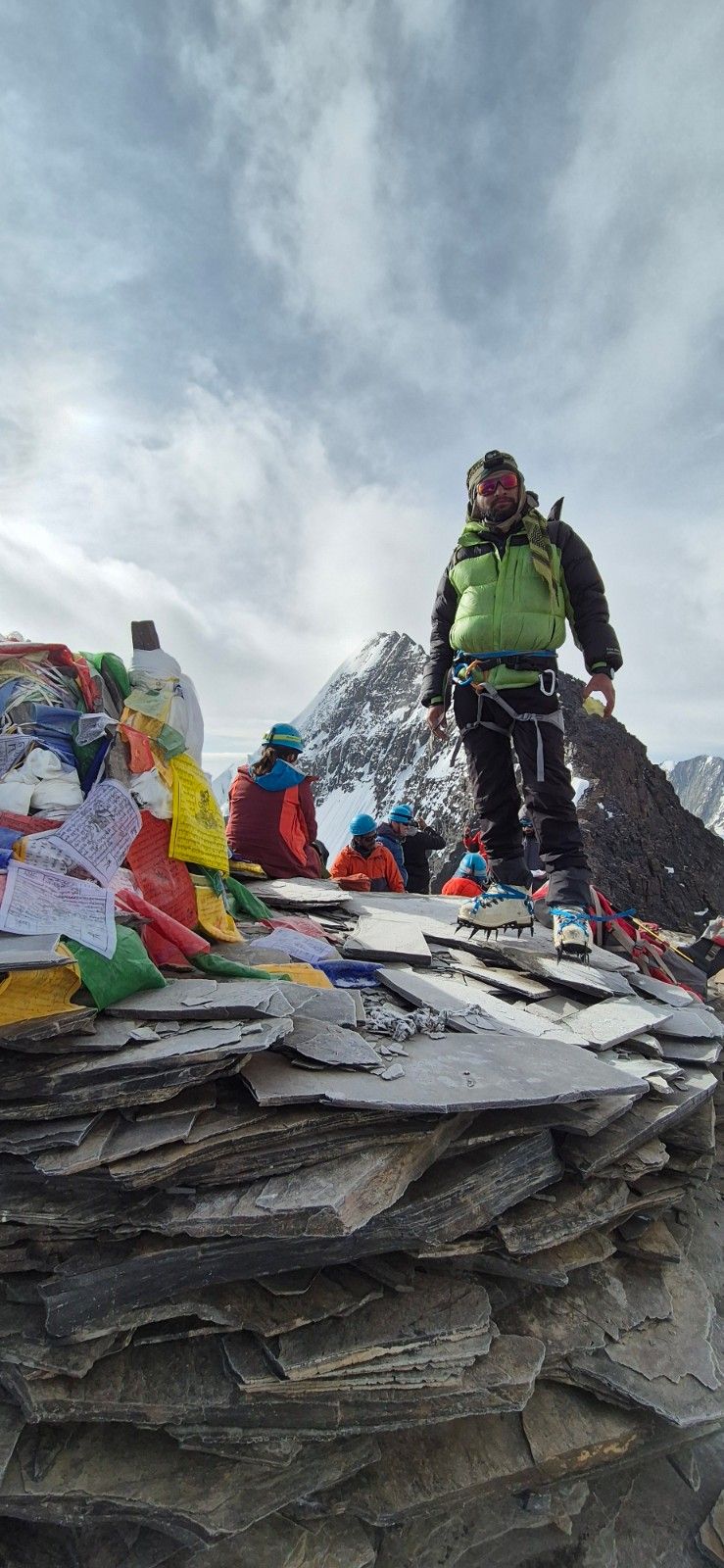
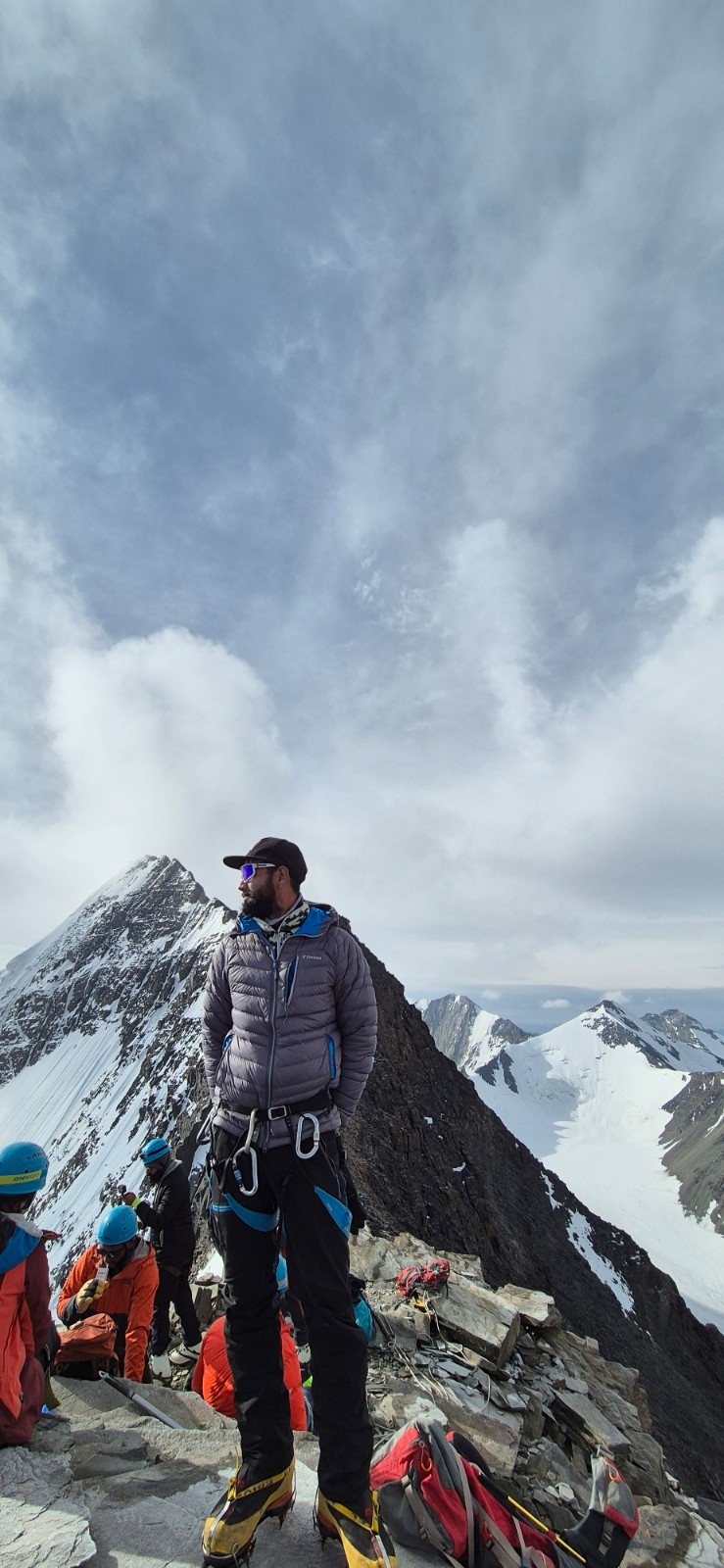
Summit push begins between 11 PM–12 AM. Ascend via scree, moraine, and glacier terrain using rope techniques. Traverse the north face and northwest ridge to reach the summit by early morning. Enjoy panoramic Himalayan views before descending safely back to Base Camp.
Day 10: Reserve Day
Reserved for summit attempt in case of bad weather or unforeseen conditions.
Day 11: Base Camp → Leh via Kongmaru La (5,236 m)
Distance: 15 km trek + 3 hrs drive
Duration: 8 hours trek
Descend via Kongmaru La Pass. The climb to the pass is gradual with panoramic views of Kang Yatse I, II, and Dzo Jongo. From the pass, descend through gorges and streams to Chokdo, followed by a drive back to Leh. Arrival by late evening.
Day 12: Departure from Leh
Expedition concludes. Celebrate the successful climb before departure. Participants are advised to keep buffer days due to unpredictable mountain weather.
Other Treks
Gallery


What's Included
- Guest House Stays in Leh (Day 1,2 and 11)
- Trek Meals (Starting Lunch on Day 3)
- Technical equipment – Ropes, Helmet, Ice Axe, Crampons, Mountaineering Boots
- First aid medical kits and oxygen cylinder
- Qualified & experienced trek Leader, Guide and Support staff
- Transport from Leh to Road head and return
- Camping during the trek
- Tents, Sleeping bags, Sleeping Mat, Gaiters, Crampons, Microspikes
- For More Kailasa Treks
What's Not Included
- Meals in Leh
- Meals during road journeys
- Any kind of personal expenses
- Any kind of Insurance
- Mules or porter to carry personal luggage
- Anything not specifically mentioned under the head Inclusions
- Inner Line Permit Fee of INR 700 per participant
- Expedition Permit Fee of INR 5000 approx per member for foreign nationals & INR 1000 per member for Indian Nationals.
- Buffer /Reserve Day Cost is INR 30,000 which is divided among group members
Frequently Asked Questions
Kang Yatse II is situated in Hemis National Park, in the Markha Valley region of Ladakh, northern India. It is part of the Kang Yatse massif, along with the taller Kang Yatse I.
The peak rises to 6,250 meters (20,505 ft), making it one of the highest trekking peaks in Ladakh.
Kang Yatse II is physically demanding due to high altitude, long days of trekking, and steep ascents on summit day. However, it does not require technical climbing skills or specialized equipment, making it a trekking peak rather than a mountaineering peak. It is suitable for experienced high-altitude trekkers.
No technical climbing experience is required. However, you should:
Have prior experience with high-altitude trekking
Be physically fit for 6–8 hours of trekking daily
Be able to handle altitude above 5,000 m comfortably
The ideal trekking season is:
Pre-monsoon: June to early July
Post-monsoon: Late August to September
These months provide stable weather, clear skies, and safe snow conditions.