
Satopanth Peak Expedition in Uttarakhand | 7075m Mountaineering Guide
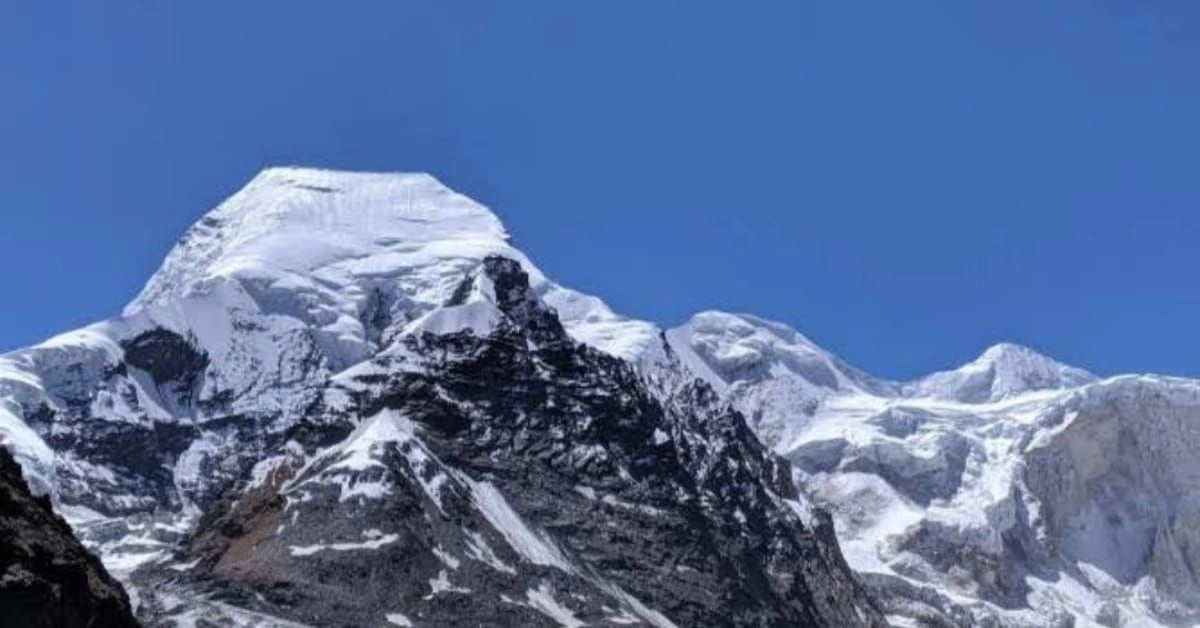
Satopanth Peak Expedition in Uttarakhand | 7075m Mountaineering Guide
Mount Satopanth expedition is one of the most challenging mountain adventure expeditions in India. It is appreciated for its pointed form. It contains climbs that require technical climbing for experienced climbers. Climbers are brought here to see how far they can go. They challenge themselves to extremes in height. This is a climb that requires good decision-making. The Satopanth trek is a dream adventure in the Himalayas.
The name Satopanth implies “true path” that rises up in the Garhwal Himalayas of Uttarakhand state of India. It is located near Badrinath and Kedarnath. There are many stories about the peak’s mountain past. It was first scaled by a Swiss expedition group of André Roch in 1947. Among the early successful ascents of a large Himalayan peak. The Satopanth Lake trek offers stunning mountain views.
There are giant glaciers on the lower surface of the mountain. Rugged icefalls and knife-edge ridges surround it. Historically, the importance of Satopanth. It also has a head count of impressive numbers. This is no trekking peak! Requires advanced ability in climbing. Excellent acclimatization is required. Previous high altitude mountaineering experience is required. Satopanth tal trek is known for its sacred beauty.
Satopanth Peak Expedition Overview
- Trek Name: Satopanth Peak Expedition
- Days: 22
- Adventure: Mountaineering
- Base Camp: Gangotri
- Season: Summer | Autumn
- Months: June | July | August
- Country: India
- Altitude: 23210 FT
- Grade: Challenging
- Trail Type: Summit, point-to-point | Scale a peak, Camping at the same location upon returning.
- Food: Meals while on trek & at Hotel/Guesthouse (Veg)
- Location: Uttarakhand
- Distance: 79 km
- Rail Head: Dehradun
- Stay: Guest House & Camping
- Airport: Jolly Grant Airport, which is 28 km away from Dehradun
Satopanth Expedition 7,075m Program
Day 01 – Arrival in Uttarkashi
On reaching Uttarkashi, you will be welcomed with a warm welcome by one of our representatives, who will conduct this trek throughout. Then you will be taken to your hotel at Uttarkashi, where you will register with a Government ID and then, after a short time, spend the night in the lap of a glorious environment. Satopanth Swargarohini trek is perfect for experienced trekkers.
Uttarkashi is popularly named ‘Kashi of North’ and has several ancient and sacred temples such as Sri Kashi Vishwanath Temple (praiseworthy temple of Lord Vishwanath), which is predominantly devoured by followers of Lord Shiva is said to have been built by sage Parshuram and Kuteki Devi Temple, a beautiful Shakti Dham on Hari Parvat where a local deity, Kuteki Devi is worshipped with a deep religious devotion in the area. However, if you wish to explore a bit with the Uttarkashi locals, you can indulge in a short evening stroll these days and a chance to taste the local food.
Day 2: From Uttarkashi, drive to Gangotri
Soaring amongst the fair white mountaintops after breakfast, you will begin with a visit to the Forest Department of Uttarkashi that protects Uttarakhand’s multifold forest cover and biodiversity. Later, you will be guided to the Nehru Institute of Mountaineering, where you’d have to do a couple of pieces of paperwork before you embark on the expedition. Check the Satopanth trek cost before planning your trip.
Then, you will get ready to depart for Gangotri today. Gangotri is 100km from Uttarkashi, and it is a treat to experience the natural beauty of the mountains during this journey. Then, once you reach Gangotri, you will get checked in at a guest house. Thereafter, the night stay will be enjoyed. If you want to stroll down the streets with cultural flair in the city of Gangotri, then you can make a short trip at dusk.
Day 03 – Gangotri – Bhojbasa
Having breakfast, you will prepare to go on an early morning trek towards Bhojbasa (about 14 km away from here). The first leg of the hike takes you to the easy-level Chirbasa village; later you will be able to enjoy your first stopover and have lunch to get energized for Bhojbasa village. The Swargarohini Satopanth trek is a challenging Himalayan route.
On Chirbasa, you have to enjoy a rock-paved path along Bhagirathi River with a steep incline. Other than this, beautiful blue pine trees and chir trees will be giving way to your trekking path, so it will be one of those awe-inspiring moments you’ll get to experience which you will never forget.
Chribasa is a place for lunch, before you head towards Bhojbasa again. Again passing through a dense forest area, and stopping at the riverside for camp set-up etc., is needed for Bhojbasa.
Day 04 Bhojbasa – Gaumukh – Nandanvan
Once again, you will be requested to leave your house early in the morning, which is likely to be cold and cloudy, followed by breakfast, after which you’ll set out for a trek to Gaumukh. Gaumukh will be your first stopover, which is about 8km away from Bhojbasa. Today at Gaumukh, you’ll have lunch and again continue your trip towards Nandanvan. Mt Satopanth attracts skilled mountaineers every year.
The road to Nandanvan will be a bit rough, yet you will have to walk along steep tracks on rough mountain terrain for this trek. There will also be various alpine meadows crossed as you make your way. Nandanvan is also the base camp for Shivling peak, and at one spot here, you will encounter the junction of the Chatrungi glacier, Gangotri glacier and all three bases of the Bhagirathi river. At Nandanvan camping area, one has to camp along the Gangotri Glacier.
Day 05 – Nandanvan – Base Camp
So once you ‘re down with breakfast early in the morning, you’ll be packing all your customers to embark on the top camp this morning! It will be a 10-kilometre ride, which will take about 4-5 hours. Mount Satopanth base camp is also called Vasuki Tal, which is a glacier lake between the large mountains. The lake is surrounded by various rare flowers, like Brahma Kamal and other rare Himalayan flowers. Follow the Satopanth Lake trek itinerary for a smooth journey.
Day 06 – 19 – Base Camp – Summit – Base Camp
In the next 14 days, you’ll take a mesmerizing trek to the top of Mount Satopanth, and experience the raw beauty of nature. A pair of base camps will be established for this trip, and you’ll go walking along thick ice that covers the rocky path of the mountain.
Walk a narrow ridge, an ice-glacial path and reach Base Camp 1 from which you get your first sighting of Mount Satopanth in Base Camp 1. Then, you will set up your camping tents and retire for the night to wake up with any tiredness and start trekking again. The Mount Satopanth expedition requires proper preparation and fitness.
On this Base Camp 2 journey, for the first time you begin technical climbing on a thick glacier; then you also combine juggling with ice axes and get to some gentle humps. You will use your roping ability to make it up these humps, and arrive at the Base Camp 2 site where you will camp overnight.
The day after, we will go back into the mountains and arrive at an extremely popular mountain top—Satopanth Peak. Here you have a peek of numerous fascinating peaks, such as Kamet, Balakun, Badrinath, Nilkantha and Chaukhamba. Here will be the source of the Alaknanda River as well.
Eventually you will return to the base camp, after some peaceful time. These 14 days will be allocated to weather events to ensure no casualties in this trek; two or three of these will be used to shelter from bad weather.
Day 20 – Base Camp – Bhojbasa
With the base camp on Mount Satopanth today, you rise on a long journey to Bhojbasa and are repaid with another opportunity to experience this beautiful journey. When you arrive at Bhojbasa, you’ll pitch your tent next to the Bhagirathi River, and imbibe every moment of your journey to Mount Satopanth, straight and sturdy in front of your very eyes.
Day 21: Bhojbasa – Gangotri – Uttarkashi
From Bhojbasa, the trekking will return to the old picturesque town of Gangotri for lunch with an attractive sight of the hills. After this, sit on a bus to your layover of the day, Uttarkashi.
You will then be dropping off at the Hotel where your stay in Uttarkashi refuge is going to take place.
Day 22: Departure from Uttarkashi
Your representative will accompany you post breakfast in the early morning (before 10 a.m.) to Uttarkashi Bus Stand from where you will board the bus to Haridwar. And from Haridwar, one could take any option of vehicle to get back to their home.
Travel Tips
Let’s see the travel tips for the Mount Satopanth expedition.
- Technical Skills required: Rope handling, Crevasse rescue and ice axe handling.
- Remember to acclimatize – take it slow and allow your body to adjust to the altitude.
- Stay Hydrated & Eat Well: Continue to drink, and eat when you can.
- Be “layered” up: Plans for quick weather changes.
- Be ready for delays: Give additional days if there may be any problems caused by bad weather.
- Check Your Gear means make sure all gear is functioning properly in time for the trek.
- Respect the Environment – Leave no Trace, Respect the sacred surroundings.
Conclusion
The mountain is technical, icy and endurance intensive – Mt. Satopanth (7,075 m) is a challenging trip to the Himalayas. As per a well planned acclimatization program with experienced guides and favorable weather conditions, mountaineers’ end the day with an un-forgettable experience at the parliament where they are treated to the view of some of the Garhwal Himalaya’s most iconic peaks. A safe and successful climb requires preparation, fitness and a lot of experience in climbing.
Frequently Asked Questions (FAQs)
A. Mt. Satopanth is a technical mountaineering trek rated AD+ (Snow and ice excursion level) and D (Technical skills), and the glacier walking involves steep snowy and icy climbing along with the use of mountaineering gears like crampons, ice axes and fixed ropes.
A. May through June and September to October are the optimal climbing periods, with good weather forecasting and clear skies.
A. Yes. Climbers must already have a background in mountaineering or skiing on a peak of 6,000 m or above and knowledge of glacier travel, rope work and the knowledge and use of technical mountaineering equipment.
A. A normal Mt. Satopanth trekking itinerary runs between 20-24 day trek including 2 days of acclimatization, summit ascents and contingency days due to weather.
A. Before setting off on the expedition, one must get permission from the Gangotri National Park authorities and other relevant mountaineering associations. Usually ordered by the organizer of the expedition.

All Categories
Recent Posts
10 Best Winter Treks in India

Winter Spiti Expedition with Ice Climbing: Complete Guide to Spiti in Winter
Nanda Devi East Expedition: The Ultimate Challenge for Experienced Mountaineers