
Nanda Devi East Expedition: The Ultimate Challenge for Experienced Mountaineers
Nanda Devi East Expedition: The Ultimate Challenge for Experienced Mountaineers
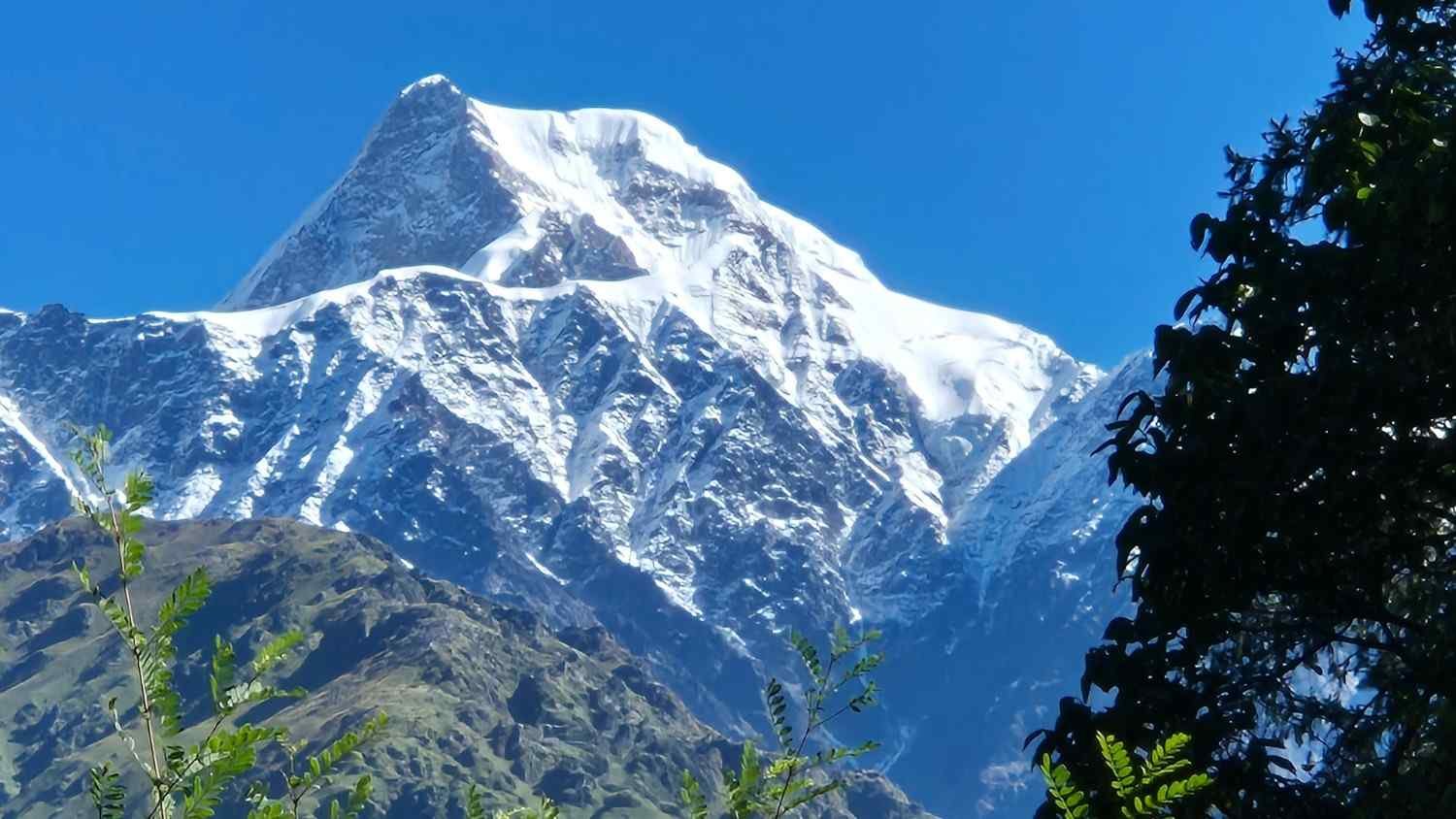
Mount Nanda Devi is the second-highest peak in India, which lies in Nanda Devi National Park of Chamoli District of Uttarakhand state. This peak has two peaks respectivly nanda devi main 7816 M and Nanda Devi East 7434 M. In 1983, climbing on Mount Nanda Devi Main was closed by the Government of India in respect of religious significance and for the protection of its fragile ecosystem, which is still applicable. However, Mount Nanda Devi East can be climbed with special permission from authorized government bodies, which will take around 3-4 months. This peak lies in a very famous park named Nanda Devi National Park.
Nanda Devi East Expedition Itinerary
DAY 01: KATHGODAM – MUNSYARI (2,150 M)
DAY 02: MUNSYARI
DAY 03: MUNSYARI – LILAM (2, 000 M)
DAY 04: LILAM – BUGDIAR (2, 480 M)
DAY 05: BUGDIAR – MARTOLI (3, 350 M)
DAY 06: MARTOLI – MILAM (3, 500 M)
DAY 07: MILAM – LWANI (3,690 M)
DAY 08: LWANI – NANDA DEVI EAST BASE CAMP (4,210 M)
DAY 09: ACCLIMATIZATION At BASE CAMP
DAY 10–21: ACCLIMATIZATION & CAMP ESTABLISHMENT
DAY 22–26: SUMMIT WINDOW
DAY 27–28: DESCENT To BASE CAMP
DAY 29: NANDA DEVI EAST BASE CAMP – MILAM
DAY 30: MILAM – BUGDIAR
DAY 31: BUGDIAR – MUNSYARI
DAY 32: MUNSYARI – KATHGODAM DROP
Guide to the Ultimate Nanda Devi East Expedition
Mountain Nanda Devi East is the 2nd highest peak of the Indian mountains, perfect for adventurers and those mountaineers who enjoy the sport. This is a mountain with a height of about 7,816 meters (25,643 feet) and is a very beautiful mountain, providing a thrilling and fulfilling experience. I’ve compiled a list of everything you need to pack here so you can go on your trip with Mount Nanda Devi East as easily as possible.
Understanding the Significance of Nanda Devi East
Not only is Nanda Devi the name of the mountain, but the name is that of a goddess from the Hindu pantheon as well. The name indeed implies “Bliss Giving Goddess” and the mountain has both devotees and trekkers visiting the site. The cultural and religious significance of any landmark enhances your experience.
Best Time to Plan Your Expedition (Nanda Devi East)
Other factors that are important to consider are timing when planning to undertake an expedition to Mount Nanda Devi East. Ideally, one should travel during late May to early June and mid-September to mid-October. These are the months when the weather is moderate, and the likelihood of good weather and therefore good conditions for climbing is not as uncertain.
Acquiring the Necessary Permits
The NandaDibi East area, being a religious site and health- and ecology-sensitive, is comparatively a restricted area. Getting permission for climbing from the Indian Mountaineering Foundation (IMF) and any other legal body is required. This is why it’s best to get started early so that you don’t get a ton of unnecessary hassles.
Choosing the Right Route (Nanda Devi East)
Mount Nanda Devi East is reached through several routes, and the most popular one is the Nanda Devi East Base Camp Trek, which is the most adventurous one among all the routes. This walk is well planned to include scenery through the Himalayan mountains and through the Nanda Devi East Biosphere Reserve, for Nature walks.
Physical and Mental Preparation
In short, Mount Nanda Devi East is not an easy peak to attempt, so anyone brave enough to make a trip has to be prepared to prepare. This takes a lot of strength, conditioning and really requires strong-willed individuals. Choreographed aerobic exercises, weight lifting and endurance training in high altitudes. Mental stress management and meditation in a person are also effective preparations, and stress management is important as well as mental health in the recovery.
Guide books and maps (bridge, pen, and paper)
When hiking, it is important (read critical) to have the proper equipment, and the right one will help you enjoy your trip safely. These are crampons, ice axes, climbing ropes, thermal and sleeping bags, mountaineering tents and culinary apparatus. Also, make sure that all the necessary equipment for the trip that you planned to use is working as expected.
Knowing and understanding the effect on the environment
The Nanda Devi East is a significant & sensitive biogeographical zone. First of all, it is important to adhere to the guiding principles of Leave No Trace as the main participants in the given trails. Try to keep natural areas in their natural state and do not allow anyone to throw anything on the ground; avoid hurting plants and animals.
Emergency Preparedness and Safety Measures
Precaution is the order of the day when going on the expedition. Always travel with a fully-stocked first aid kit, know at least the rudimentary form of mountain rescue, and the signs of acute mountain sickness. People should make sure their family and friends have a reliable means of communicating and have an emergency plan in place.
Conclusion
One of the toughest hiking treks in the Indian Himalayas is the Nanda Devi East Expedition. It is designed for climbers with extensive high-altitude experience and advanced technical climbing abilities. Physical strength will be tested. It will test the limits of your mind and judgment in extreme situations, too.
The journey to the top is not only a matter of climbing to one of the highest summits in India but also a transformative experience. It’s about planning. It’s about respect for the mountain and teamwork. All successful climbs need acclimatization. It also demands the proper gear, as well as knowledgeable and skilled guides aware of the terrain and of weather shifts.
Common Asked Questions
A. Nanda Devi East is deemed a very treacherous journey. Previous experience at heights of over 6000 meters and skills in handling rope, being able to walk on glaciers and in crevasse rescue are required.
A. Nanda Devi East is at the height of about 7434 meters or 24390 feet above sea level, and is one of the highest mountains in the Indian country.
A. This is an expedition for advanced mountaineers with high altitude experience to experience an extreme adventure of their life, for whom the hilly terrain is no problem in their physical fitness. Not suitable for beginners.
A. Meteorological conditions are most favourable from May to June and September onward, making these the best seasons to be out climbing.
A. Typical 25-35 days depending on routes and summit attempts, as well as acclimatization schedules and weather.

All Categories
Recent Posts
10 Best Winter Treks in India

Winter Spiti Expedition with Ice Climbing: Complete Guide to Spiti in Winter
Nanda Devi East Expedition: The Ultimate Challenge for Experienced Mountaineers