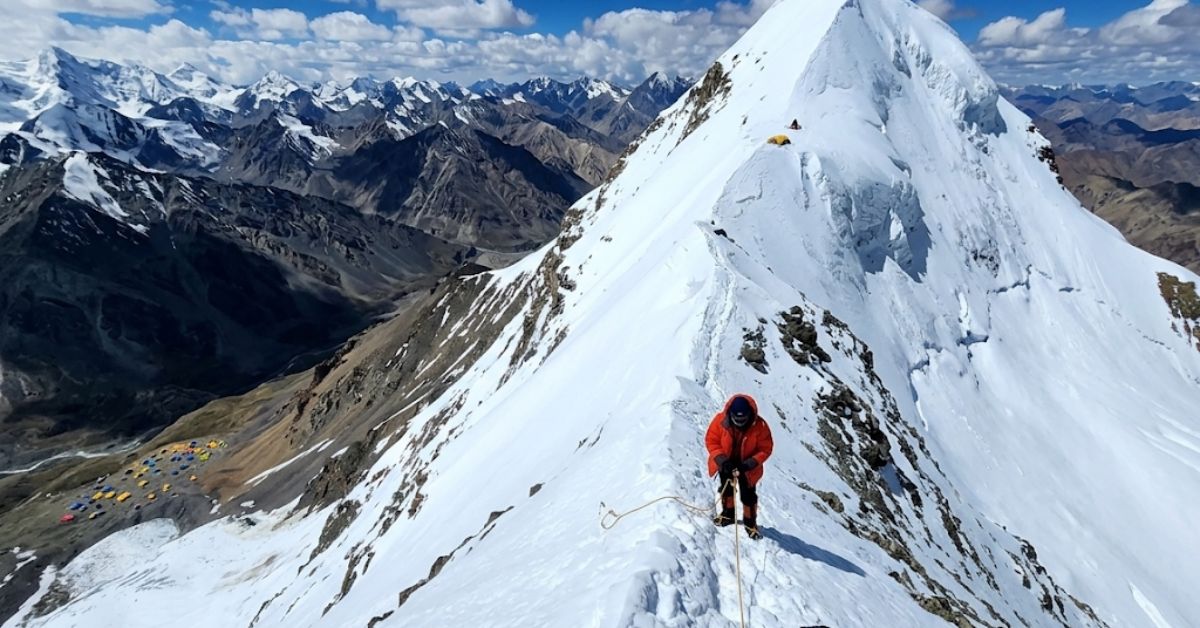
Going to high peaks (above 7000m) demands far more than fitness. It requires technical mountaineering abilities, mental toughness, glacier travel, acclimatization and adaptation to altitude and extreme weather conditions. Many climbers may be overwhelmed in embarking on a 7000m expedition directly. Kang Yatse I Expedition gives an amazing Himalayan climbing experience.
That’s where Kang Yatse I is the perfect spot to train. Kang Yatse I is situated in the Markha valley of Ladakh at about 6400m height and is a difficult yet attainable trek for trekking and mountaineering enthusiasts. In addition to the beauty and challenges it offers, Kang Yatse I introduces climbers to sections with technical demands and glacier movement, rope work and high altitude endurance, which are all necessary for the future 7000m expeditions.
Your idea of a dream vacation may be to climb to the peaks of the Himalayas, Andes, Pamirs or Karakoram, but Kang Yatse I offers the ideal way of transitioning from trekking to mountaineering on an expedition-style adventure. Adventure lovers enjoy the thrill of the Kang Yatse I Expedition.
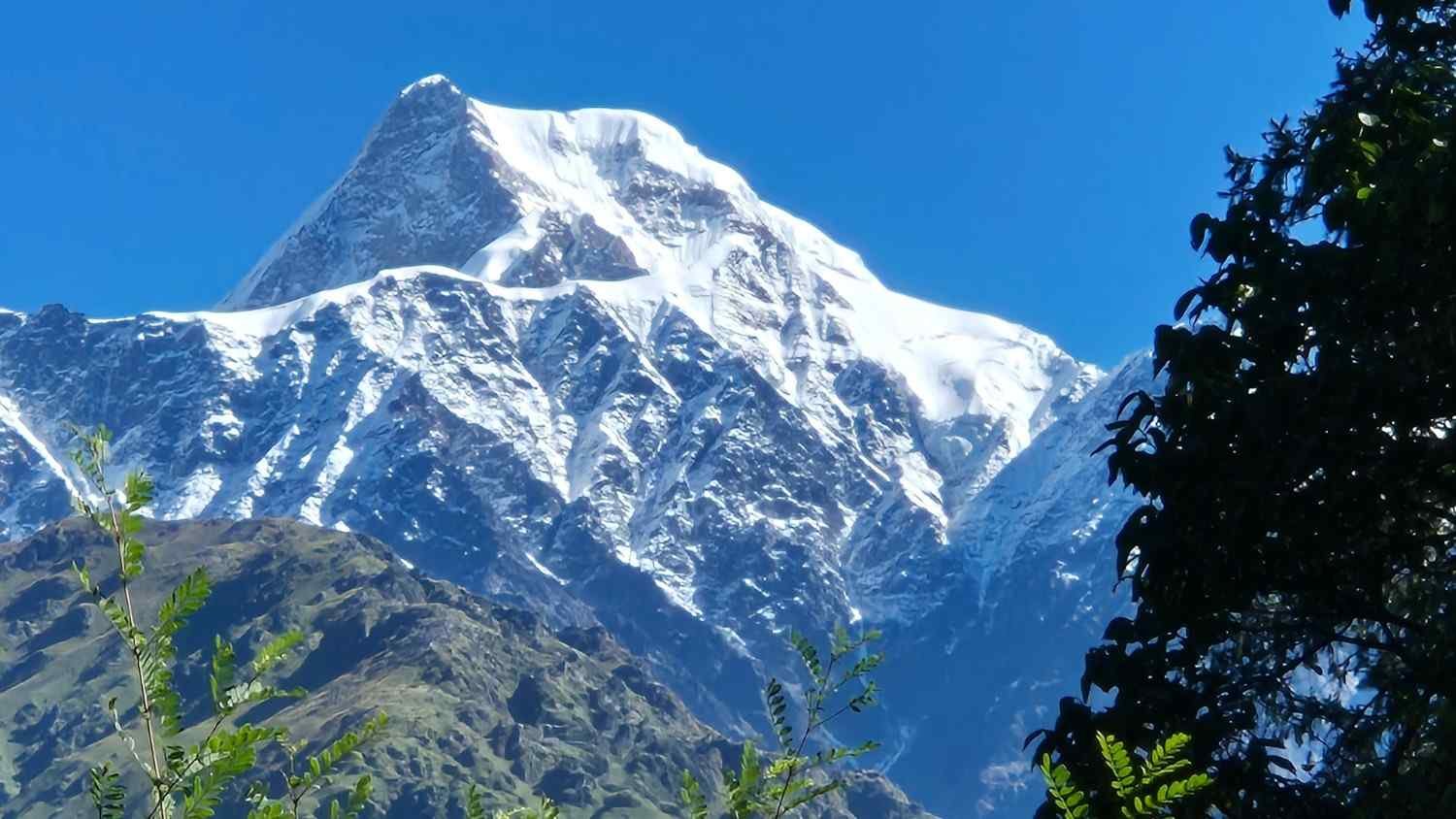
Kang Yatse I (6400m) is said to be the ultimate point for high altitude mountaineering. It offers a lovely combination of trekking and real alpine climbing. It picks a challenge at the starting point of the amazing Markha valley of this land of Ladakh for stamina and expertise, in one of the finest landscapes of the Himalayas.
Kang Yatse 1 – Overview
Kang Yatse is an important peak of the Markha villages in Ladakh. It is topped by two peaks: Kang Yatse 1 and Kang Yatse 2. The first summit, Kang Yatse 1, is an impressive 6400m, and the second summit, Kang Yatse 2, is also 6250m above sea level. The Kang Yatse I Expedition is perfect for high-altitude climbing.
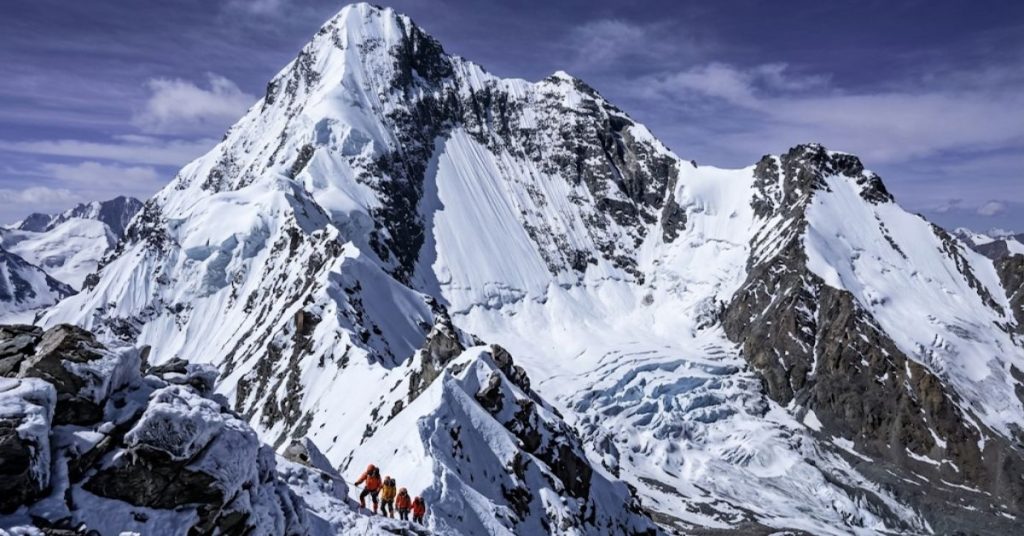
Kang Yatse 2 is at 6250m and is therefore considered more difficult. This will make the climb harder for several reasons. This is suitable for the adventurous person with a little bit of mountain experience and practice, who is hoping for more. But this ascent requires high physical fitness because only the fittest climbers can make an attempt at this.
Why You Should Experience Kang Yaste I Education?
Below are the reasons that you must experience the Kang Yaste I climbing education once in a lifetime.
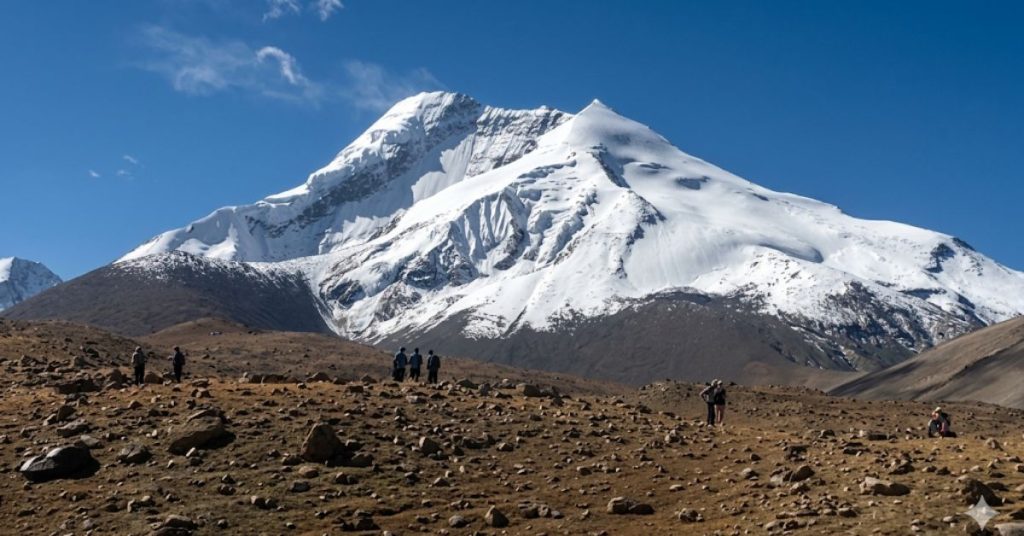
True High-Altitude Experience
The adaptation to the extreme altitude is one of the greatest challenges in any 7000m hike. There are several things climbers do not anticipate as they ascend above 6000m. Many climbers choose the Kang Yatse I Expedition for stunning mountain views.
Kang Yatse I is a realistic preview of expedition style in high altitudes. Every climber takes several days to slowly ascend through the valley of the Markha to high camps. This gradual change process enables participants to appreciate:
- Their response to less oxygen in their bodies.
- Proper pacing techniques
- A guide to hydration and nutrition at high altitude.Advice on how to get water and food at altitude.
- On long-distance trips, recovery management should be done in accordance with the conditions at hand.
Having a broad understanding of signs and symptoms helps to deal with acute mountain sickness (AMS). The Kang Yatse I Expedition tests both strength and endurance.
Teaches basic Technical Mountaineering Skills
Kang Yatse I presents a different challenge than most other peaks in the region, which aren’t termed technical climbs; parts of this peak demand the use of technical movement and mountaineering equipment. Kang Yatse I Peak Climb is a dream for adventure seekers.
The general rule of thumb is that climbers learn and practice:
- Walking with crampons and an ice axe usage
- Use of a fixed rope climbing system
- Easing up the slope and doing it again with snow!Going up and down the slope with snow!
- Glacier navigation basics
- Manage harness and rope requirement(s). Handle harness and/or rope requirement(s)
- Self-arrest techniques.
Basic abilities needed for the majority of 7000m expeditions. Kang Yatse I is the basis for developing technical skills for climbers with plans to climb other peaks or plateau tops in the future (such as Nun peak, Satopanth, it is easier than KY1 or International 7000m peaks) in a relatively controlled area. The Kang Yatse I Trek offers stunning Himalayan views.
Develops Mental Toughness
In mountaineering at high levels, the mind is a key element in success. In addition, Kang Yatse I offers challenges for the climbers:
- Long summit pushes
- Freezing temperatures
- Thin air
- Unpredictable mountain weather
- Physical fatigue
- Outline how comfort is limited at high camps.
The summit day can sometimes start before midnight and can be a hard task for hours. This familiarizes the climbers with the need to stay cool, attentive, and well-trained during stressful situations. These are key “psych” lessons that should be learned before tackling more challenging 7000m goals. Kang Yatse I vs Kang Yatse II helps climbers choose the right peak.
Educational Series designed for expedition logisticians
A lot of climbers are not aware of how to use the trekking-type climbing system. Kang Yatse I offers on-the-job experience in:
- Multi-day expedition routines
- Camp management
- Gear organization
Reduce complexity
Knowing how to organize an expedition in the beginning can enhance the chances of success on larger climbs. A beginner Himalayan expedition builds confidence in the mountains.
- High-altitude sleeping arrangements
- Efficient packing strategies
- Coordination of teams in Mountain terrain areas.
Using Kang Yatse I as a port of entry for the higher hikes has a definite advantage. Proper 7000m expedition preparation improves safety and stamina.
Related Post:- 6000m Peaks in India for Beginners
Who Should Attempt Kang Yatse I Expedition?
Kang Yatse I is ideal for:
- Candidates who have been to BED & REFUGE with experience in trekking and want to move on to mountaineering.
- The climbers are preparing for a 7000m expedition.
- For anyone looking for the technical aspect to alpine adventure, there are plenty.
- You can use intermediate mountaineers to make a Himalayan experience.
- Headlam strictly harbors the training of future international expeditions. Headlam’s only harbor training for future international expeditions.
- Experience hiking at high elevation is highly recommended.
Also Go Through:- Kang Yatse II Peak
Conclusion
It is not just another Himalayan peak; it is Kang Yatse I. It is a link between hiking and in-depth high-altitude mountaineering. Its high altitude, technical climbing, glacier travelling, travel planning and mental challenges combined make it an exhilarating place to prepare for future 7000m events.
Kang Yatse I is not just a pinnacle of the Himalayas, but a journey that offers climbers the chance to build confidence, skill, and experience, setting the stage for high-altitude mountaineering success. A mountaineering training peak helps climbers gain real experience.
Frequently Asked Question
A. Yes, it is a moderately technical peak, Kang Yatse I Requires good fitness, endurance and simple mountaineering skills.
Q. What’s the prerequisite to do for Kang Yatse I?
A. Previous high altitude trekking is strongly recommended. Basic mountaineering knowledge is helpful, but acquired on guided mountaineering trips.
A. It is a gateway to high altitude backcountry riding, technical bush climbing, glacier travel, rope skills, and expedition-type camping—these are all necessary parts of a larger expedition.
A. The climbing gear mainly used by climbers includes crampons, ice axes, ropes, harnesses, helmets and mountaineering boots.
A. Typically, the Kang Yatse I trek lasts 14 to 16 days, including days spent acclimatizing to the high altitude and trekking days.
A. The best period is more or less in the months of July to September when the weather is relatively steady.
A. It could be difficult for a complete beginner, for whom trekking and altitude are an unknown experience. The intermediate trekker should transfer their skills to mountaineering.