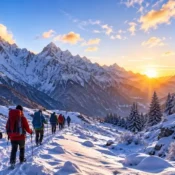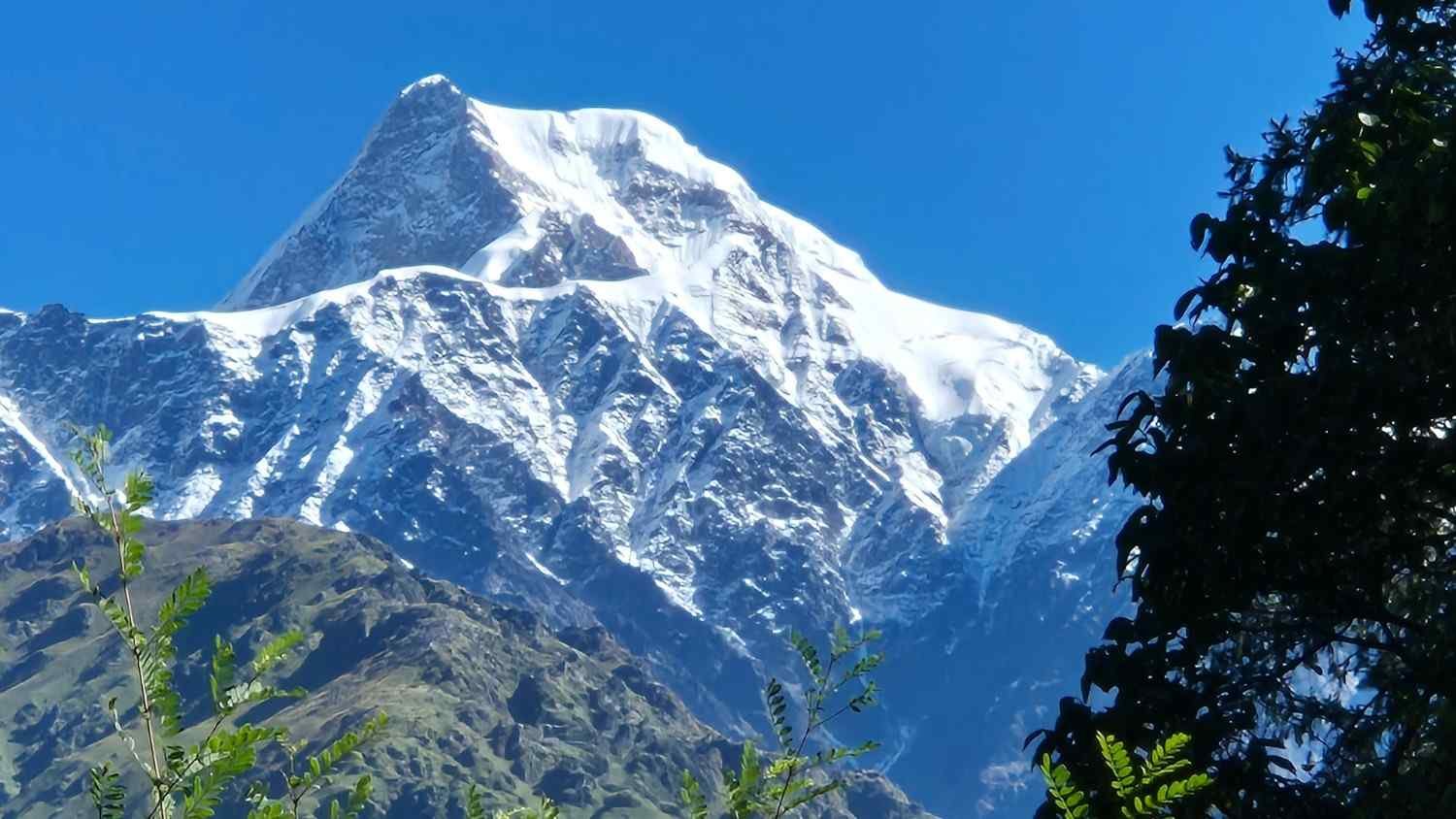
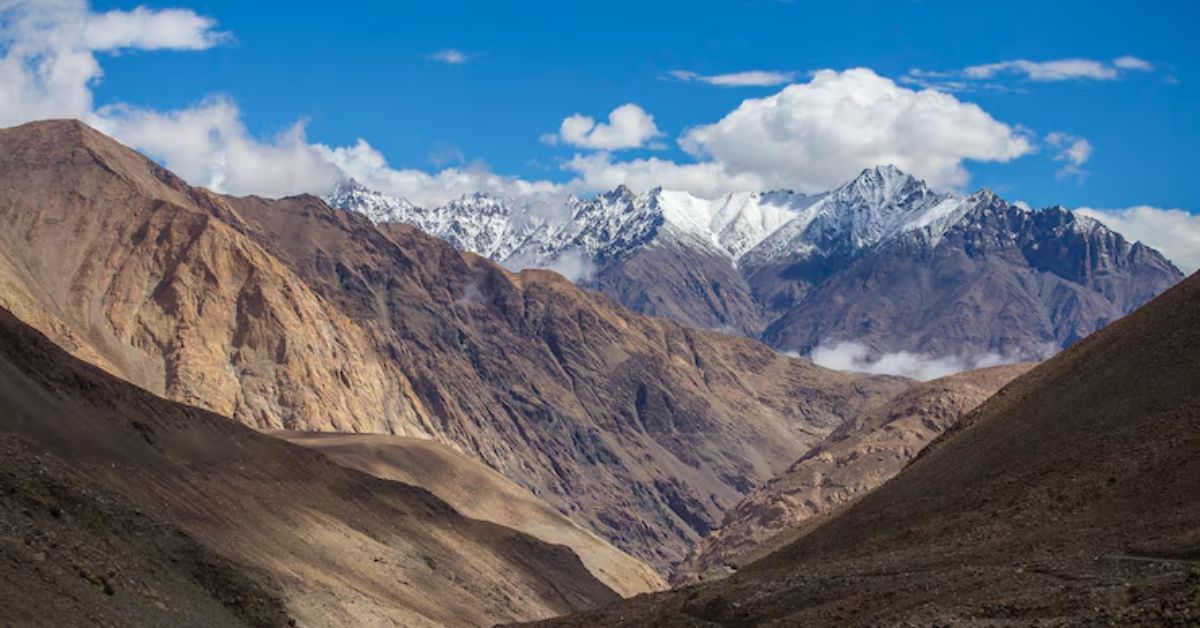
The dream of many beginners is the idea of climbing a mountain peak that is 6000m. Nevertheless, it must never give the impression that it is impossible. India has several Himalayan peaks that can be safely initiated by beginners under the guidance of guides, training, and proper acclimatization. These ascents are more challenging than regular ascents, but easier than technical ascents. They therefore give an ingenious preliminary move towards mountaineering.
Prior to the selection of any climb, beginners are advised to know the altitude, fitness, weather, permits, and the difficulty of the route. This guide describes the optimal options for starting in simple terms.
What Makes a 6000m Peak Beginner-Friendly?
The fact that the peak of the mountain is 6000m, which is friendly to beginners, does not mean that the mountain is easy. This means that the route is not as technical as advanced climbs. In general, these summits demand numerous fitness levels, easy snow techniques, and proper acclimatization.
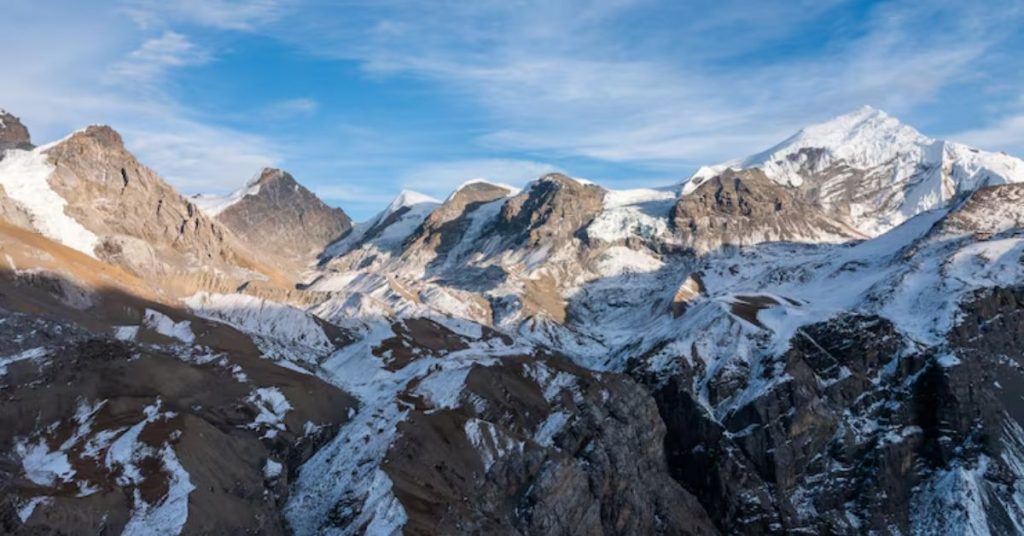
They may not, however, need the services of a highly qualified rock climbing or ice climbing guide. Also, beginners are advised to hike with licensed guides. Oxygen levels are reduced at 6000m, and the body fatigues easily. Thus, slow pace, sleep, hydration, and layered clothes become extremely important.
Most of the new trekkers, before we get into it, ask, what is himalayan mountains in simple words? The Himalayas comprise a large mountain range in Asia. They are full of tall mountains, glaciers, valleys, rivers, and high passes. Mount Everest is regarded as the highest peak in the Himalayan mountain range, and it is approximately 8,849 meters high.
Why Try a 6000m Peak as a Beginner?
A 6000m peak will provide you with a true flavor of mountaineering. You find out how your body responds to height. You also get to know how to walk in snow, how to deal with cold nights, and how to observe mountain discipline.
Additionally, these climbs develop confidence towards greater goals. Following a successful 6000m trip, most mountain climbers shift to more challenging trips. But you need not hurry. To start with, do some high-altitude hikes. Then, choose a safe beginner peak.
The following are some of the things you will learn:
- Better high-altitude confidence
- Basic snow and crampon experience
- Stronger physical endurance
- Improved knowledge of the weather in the mountains.
- Actual training towards larger Himalayan aspirations.
Also Related Post:- Kang Yatse I Peak
Best 6000m Peaks in India for Beginners
There are numerous beautiful Himalayan climbing opportunities in India. Others are real novices at 6000m mountains. These are more suited to trained beginners who have previous experience in trekking. So, select your mountain wisely.
1. Mt. Yunam, Himachal Pradesh
Mt. Yunam has been recommended for first-time climbers of 6000m mountains. It is located at an approximate height of 6,111 meters in Himachal Pradesh. The trail is difficult due to the altitude and loose soil. But when in normal circumstances it is not very technical.
The expedition typically begins around the Manali-Leh road. Thus, the landscape is dry, wide, and dramatic. Young and fit novices can attempt Yunam once they have completed some high-altitude hikes. In addition, acclimatization is highly essential in this case.
2. Kang Yatse II, Ladakh
Kang Yatse II is considered to be among the most popular beginner expedition peaks in Ladakh. It is approximately 6,250 meters and has breathtaking views of the Zanskar and Karakoram ranges. Nevertheless, it remains to be prepared.
The Markha Valley trek provides a gradual and slow acclimatization process to the body for many climbers who approach this peak. This renders the trip scenic and beneficial in acclimatization. Nevertheless, summit night is cold, protracted, and exhausting. Thus, novices ought to practice extensively before they can give it a go.
3. Dzo Jongo, Ladakh
Another tough alternative that beginners can use in order to have a true 6000m climb is Dzo Jongo. It is adjacent to Kang Yatse, and it has extensive vistas of the summit area. The path may consist of snow, scree, and steep areas.
Nevertheless, with the appropriate crew, it is a good learning climb. Novices must be familiar with the use of crampons, gaiters, and trekking poles. They are also expected to adhere to the guide directions, particularly when on a summit push.
4. UT Kangri, Ladakh
UT Kangri is frequently described as a beginner-friendly 6000m mountain in Ladakh. It is a good first high-altitude mountaineering objective, along with Yunam and Kiager Ri. These are non-technical compared to tougher expeditions, but do require good fitness and leader assistance.
The climb provides first-time climbers with a pure Himalayan adventure. But the weather in Ladakh can be unpredictable. Thus, the right equipment, licenses, and local instructions are significant.
5. Kiager Ri, Ladakh
Another Ladakh mountain in the area of around 6100m is known as Kiager Ri. It will fit climbers with a certain amount of previous trekking experience. The route provides expansive landscapes and a real expedition experience.
Though it is not the most technical climb, it is serious due to the altitude. Novices must therefore not take it as a typical hike. They ought to, instead, prepare with cardio, strength training, and long hikes in advance of the trip.
Peaks Beginners Should Respect Carefully
There are some mountains that sound appealing but require additional experience. To illustrate, the black peak expedition in Uttarakhand is available at approximately 6,387 meters and is referred to as a technical climb. It involves glacier journeys, snowy areas, and challenging geography. Thus, it is not as good for experienced climbers as for complete beginners.
In a similar manner, Stok Kangri used to be a well-known apprentice dream in Ladakh. The height of Stok Kangri is usually given between 6,150 and 6,153 meters. Nevertheless, there have been past closures to the route in the name of environmental protection, and climbers should always find out the current local status before planning.
Read Post:- Dzo Jongo Peak Trek
How to Prepare Before Your First 6000m Peak?
The training begins several months before the climb. One, develop stamina. Walk, run, cycle, or walk up stairs at least four to five days a week. Next, include leg, core, and shoulder strength training.
Also, first do some of the easier Himalayan treks. Sightseeing tours such as the Pangarchulla peak trek. can assist tourists in learning more about the altitude, cold climate, and lengthy walking days. Then, a 6000m climb does not seem so shocking.
Simple gear use is also something that you should learn. Understand boots, crampons, helmets, harnesses, down jackets, gloves, and headlamps. Besides, never purchase cold-weather clothing of inferior quality. Comfort and safety accompany each other at high altitude.
Famous Himalayan Peaks to Know
Amateurs will frequently look into the Himalayan peaks’ names, and then they select the first climb. Kangchenjunga, Nanda Devi, Kamet, Trisul, Shivling, Stok Kangri, Kang Yatse, and Nun Kun are some of the popular names.
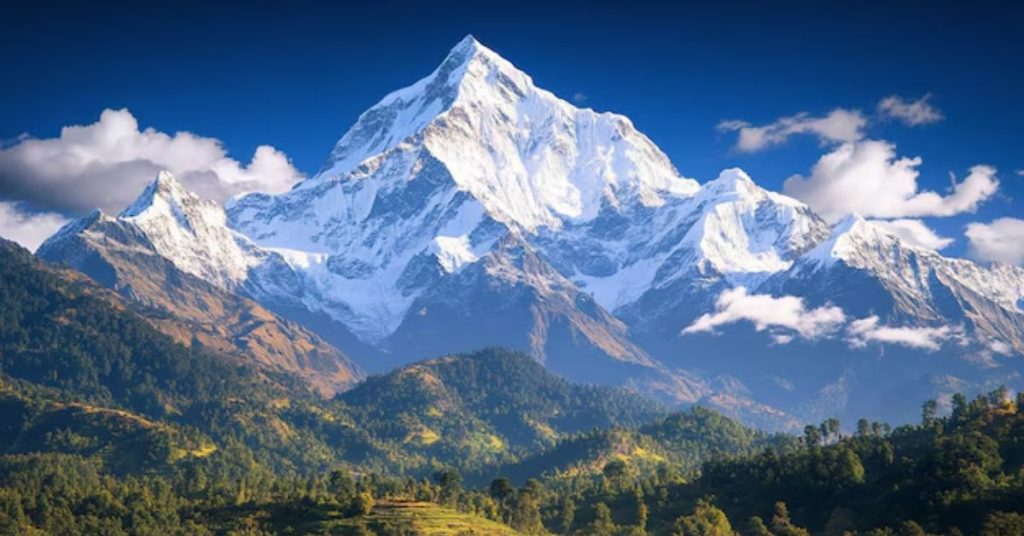
When individuals talk of the top mountains in India, Kangchenjunga may be the first one that people refer to since it is the highest mountain in India. It is 8,586 meters and the third-highest mountain in the world.
A lot of the famous mountains in India are not suitable for beginners. Nevertheless, knowing them enables you to appreciate the Himalayas even more. It can also assist you in organizing your mountaineering trip step by step.
Final Thoughts
Peaks of 6000m in India are ideal for providing beginners with more than just trekking. They provide difficulty, allure, and actual mountain education. Nevertheless, they also require respect, preparation, and patience. Begin with less challenging high altitude hikes. Then, get your body in shape, select a guided ascent, and learn about the dangers.
Most beginners have found good first goals in such peaks as Yunam, Kang Yatse II, Dzo Jongo, UT Kangri, and Kiager Ri. Nevertheless, there is no casual 6000m climb. Thus, plan ahead, listen to your guide, and have fun on the ride rather than the ride.
Frequently Asked Questions
A. Mt. Yunam is reputed to be a fine novice 6000m peak. Nevertheless, it remains in great need of good fitness, acclimatization, and a guiding hand since the altitude is serious.
A. The first treks that a complete beginner should take are the high-altitude treks. Then they will have a chance to explore a beginner-friendly 6000m peak under the guidance, training, and quality safety planning.
A. It requires good stamina, strength in the legs, and a patient mind. Before trying such climbs, you are supposed to walk about 6 to eight hours per day with a backpack and be comfortable with it.
A. Yes, it may be risky without any planning. The reality is that altitude sickness, cold, weather changes, and fatigue are real dangers. Nevertheless, danger is mitigated by trained guides and good acclimatization.